
As a father of four who grew up with the tradition of finding an orange in my Christmas stocking (symbolizing the gift from St. Nicholas), I’ve learned that the best stocking stuffers balance practicality, fun, and a little educational value. When you’re filling stockings for kids ranging from toddlers to tweens, the challenge isn’t just finding things that fit—it’s finding small toys that actually get used after December 26th.
After years of trial and error with my own kids, I’ve discovered that educational stocking stuffers work best when they don’t feel like homework. The toys in this guide are small enough to fit in a standard stocking, affordable enough that you can fill multiple stockings without breaking the bank, and engaging enough that kids will actually play with them long after the holiday chaos settles.
Whether you’re continuing the orange tradition like my family or creating your own mix of practical items, candy, and small toys, these educational picks will make Christmas morning memorable while supporting your kids’ development.
Toddlers & Preschoolers (Ages 2-4)
1. Melissa & Doug Water WOW! Reusable Activity Pads

These mess-free coloring books use a water pen to reveal hidden pictures and colors. Once the page dries, it’s ready to use again. At around $5-7 per pad, they’re perfect for travel, restaurant waiting, or quiet time.
What makes them educational: Fine motor skills, color recognition, and following patterns without the mess of traditional markers.
Why they work: My 5-year-old still uses hers during car rides. The reusable aspect means they last months, and parents appreciate the zero-mess guarantee.
2. Learning Resources Snap-n-Learn ABC Elephants
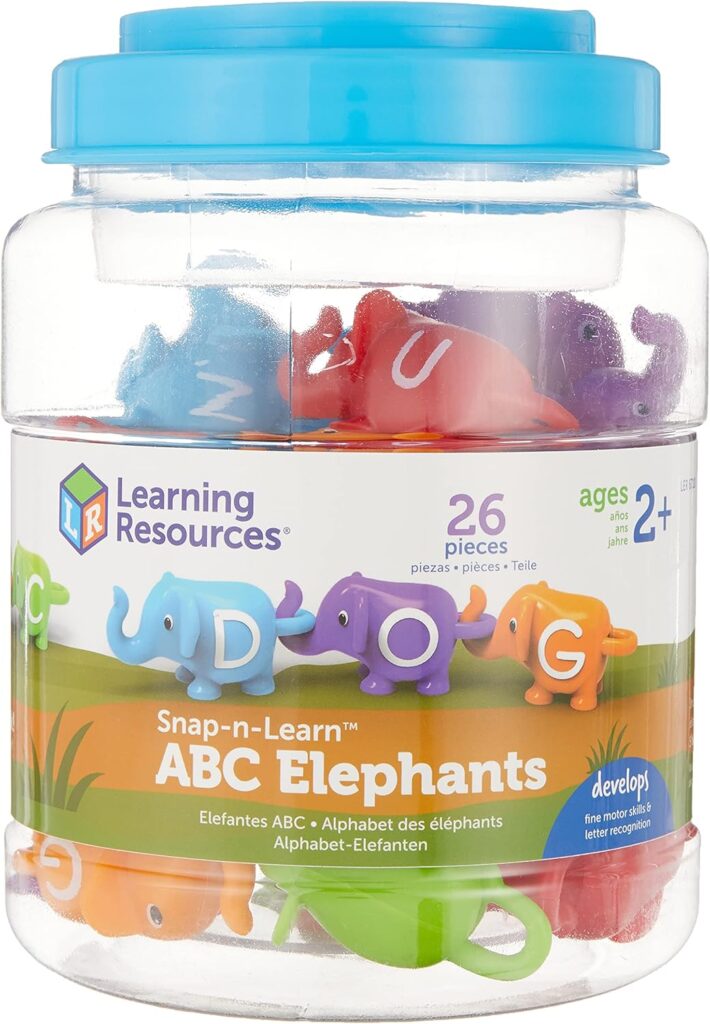
Twenty-six colorful elephants that snap together for letters, counting, sorting, and color matching games. These palm-sized elephants are durable, easy for small hands to manipulate, and dishwasher-safe for easy cleaning.
What makes them educational: Letter recognition, counting practice, color identification, and early addition/subtraction concepts.
Why they work: Small enough for stocking stuffers but substantial enough for real learning. Perfect for waiting rooms, restaurants, or anywhere you need a quick distraction.
3. Crayola My First Palm Grip Crayons
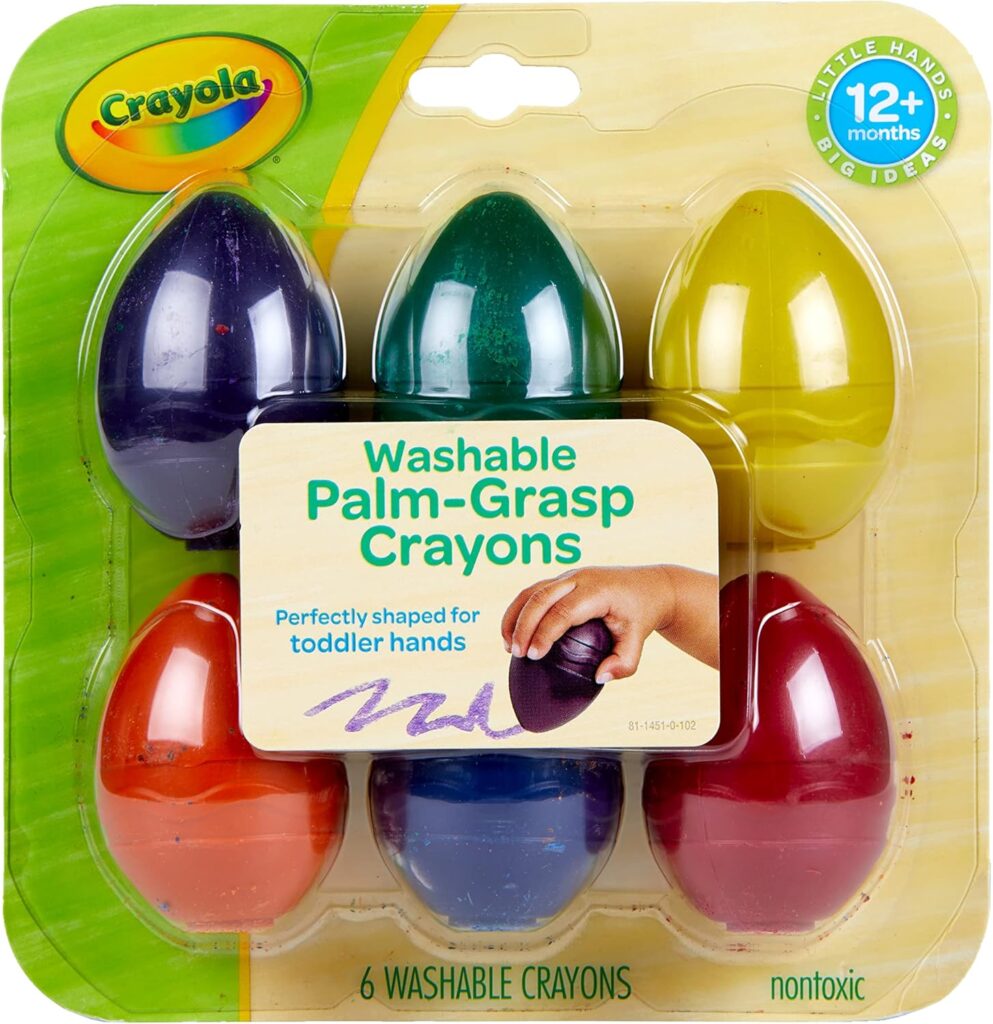
Egg-shaped crayons designed for toddler hands that naturally encourage proper grip development. A pack of six fits perfectly in a stocking and introduces early writing preparation.
What makes them educational: Develops proper pencil grip, strengthens hand muscles for future writing, encourages creativity.
Why they work: Unlike regular crayons that break or roll away, these are nearly indestructible. My kids used these before graduating to standard crayons, and the transition was seamless.
4. Playfoam Classic 8-Pack
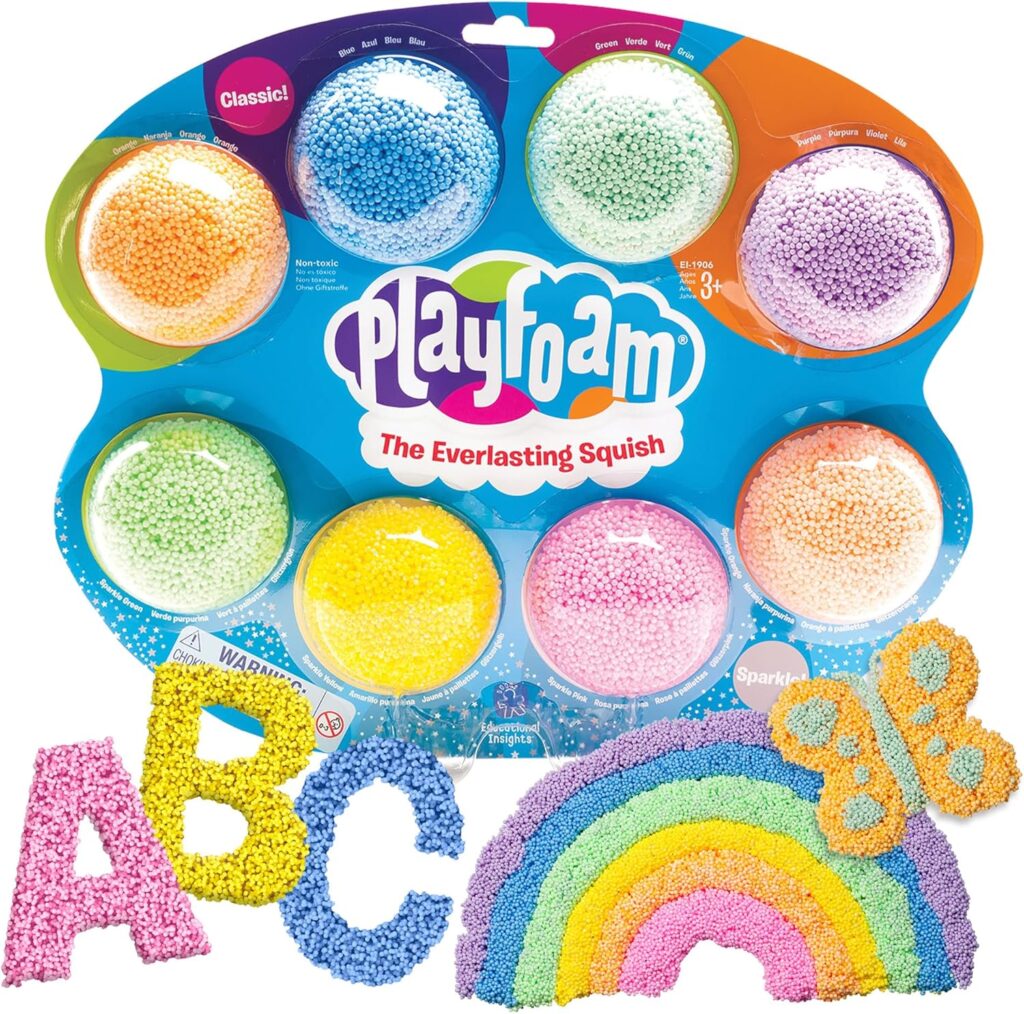
Squishy, non-sticky modeling compound that never dries out. Each pod is about the size of a golf ball—perfect stocking stuffer dimensions—and comes in bright colors that kids can mix, mold, and reuse endlessly.
What makes them educational: Sensory exploration, fine motor development, creativity, and tactile learning without the mess of Play-Doh.
Why they work: The fact that it never dries out means it’s still usable months later. My kids keep theirs in small containers and bring them out during car rides or when siblings need separate activities.
5. Thought-Spot Roll & Play Game
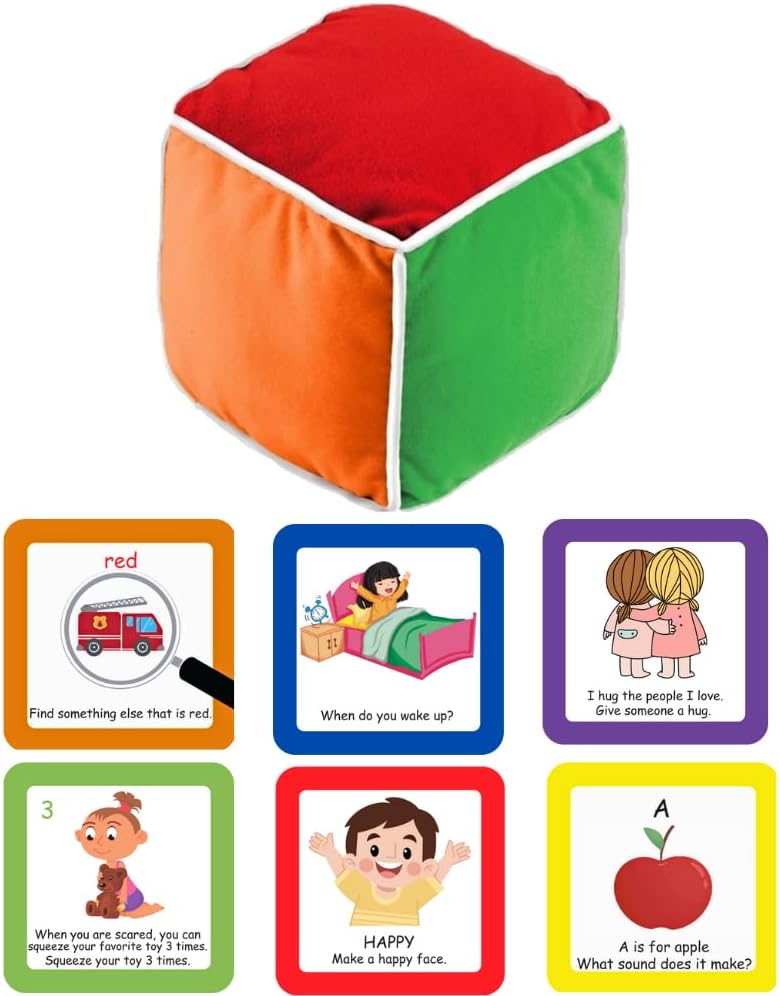
A plush cube with different activities on each side (make a silly face, act like an animal, find something blue). Designed for ages 18 months and up, it fits in a stocking and teaches turn-taking, following directions, and active play.
What makes them educational: Listening skills, following instructions, color recognition, physical movement, and social interaction.
Why they work: Gets toddlers moving during the winter months when outdoor play is limited. Simple enough that even young toddlers understand the concept quickly.
Early Elementary (Ages 5-7)
6. Faber-Castell Grip Colored Pencils (12-Pack)
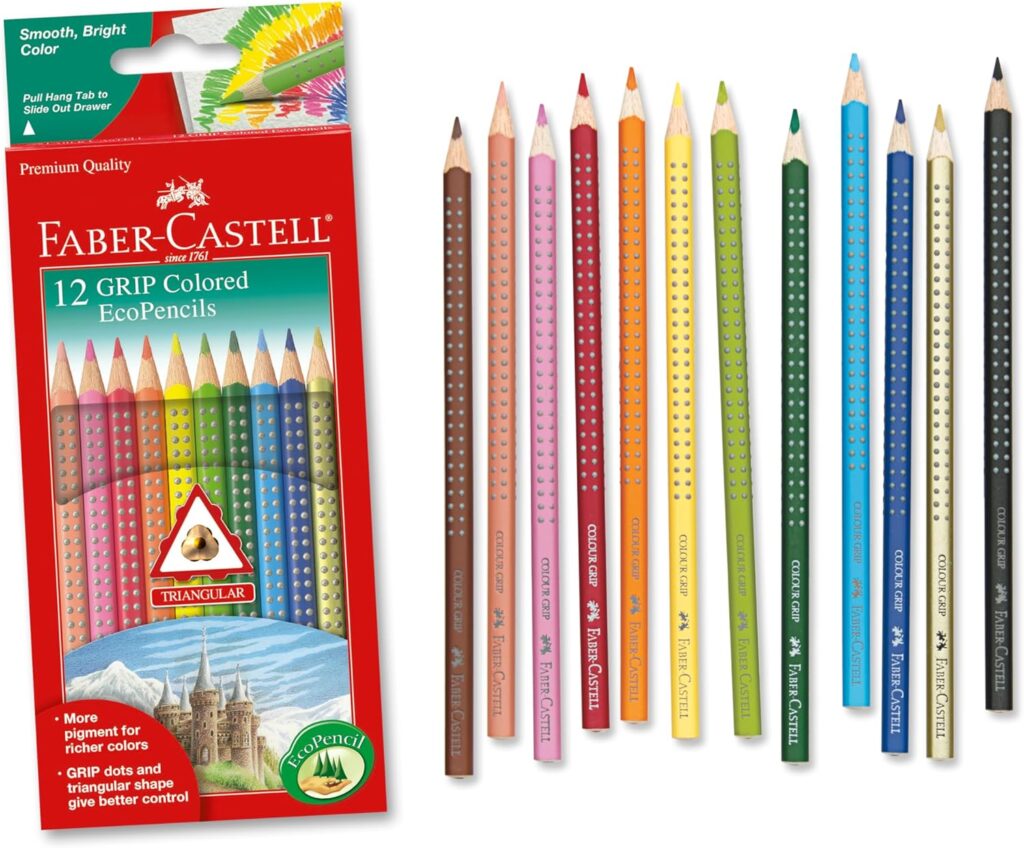
Triangular-shaped colored pencils with ergonomic grip dots that help kids hold them correctly. The slim tin case fits easily in a stocking and contains quality pencils that actually blend and layer colors.
What makes them educational: Proper pencil grip, fine motor control, color theory (mixing and layering), artistic expression.
Why they work: Unlike cheap colored pencils that barely show color, these produce vibrant results that keep kids engaged in drawing and coloring activities. The ergonomic design prevents hand fatigue during longer art sessions.
7. Hand2Mind Numberblocks MathLink Cubes Activity Set
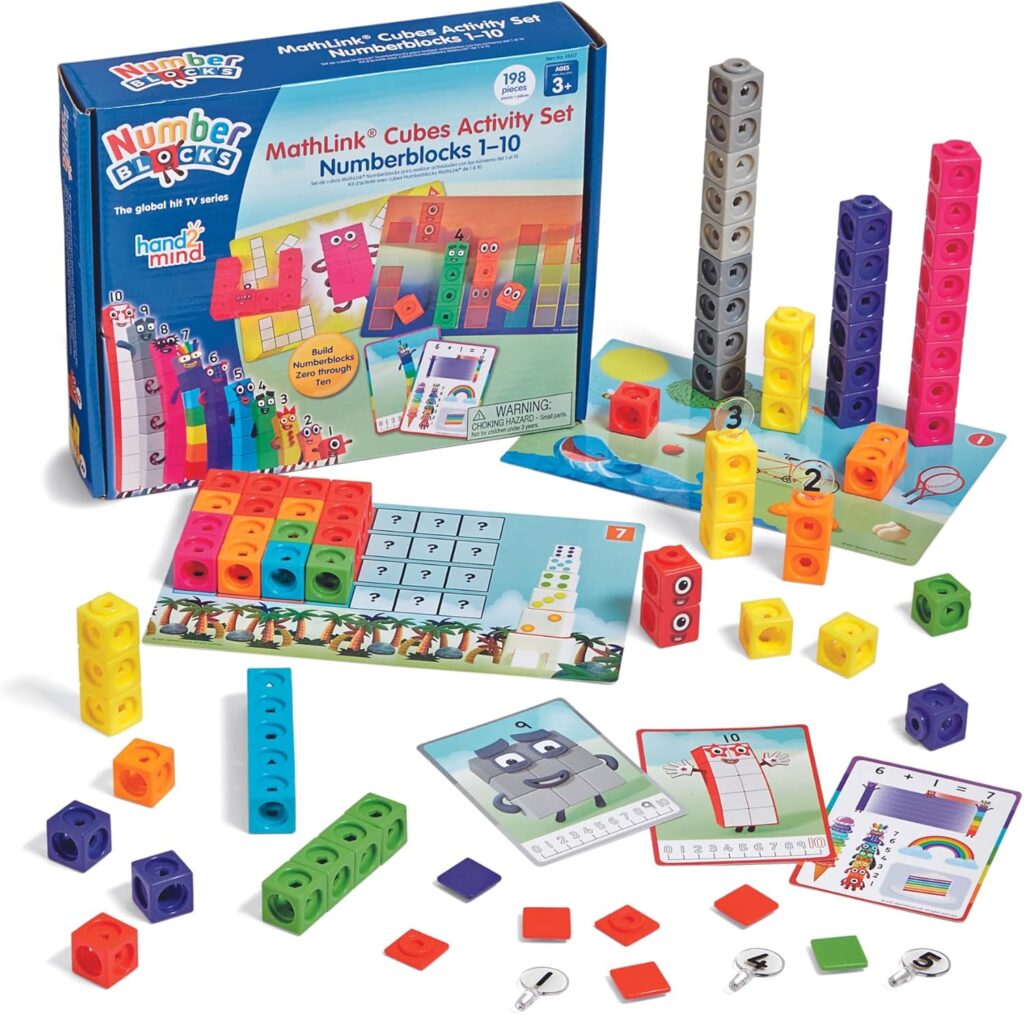
Small linking cubes that connect to create number representations, patterns, and simple addition/subtraction problems. A stocking-sized set includes about 30 cubes with activity cards.
What makes them educational: Number sense, addition and subtraction visualization, pattern recognition, spatial reasoning.
Why they work: Based on the popular Numberblocks TV show, these make abstract math concepts concrete. My second graders still use these when they need to work through a tricky math problem.
8. Highlights Hidden Pictures Puzzle Pads
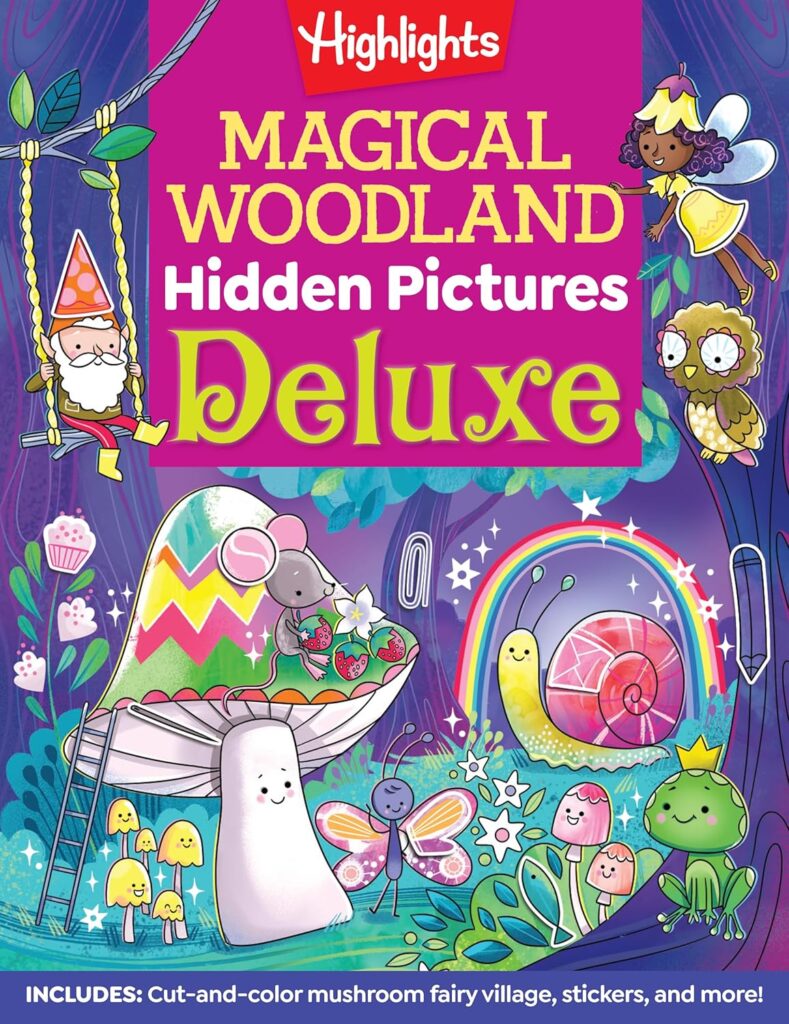
Portable puzzle pads with the classic Highlights hidden picture games. Each pad contains about 100 puzzles and fits perfectly in a stocking. Available in different difficulty levels.
What makes them educational: Visual discrimination, concentration, pattern recognition, persistence, and fine motor skills.
Why they work: These keep kids quietly engaged during holiday travel, restaurant waiting, or whenever you need 20 minutes of focused activity. The satisfaction of finding every hidden object builds persistence and attention to detail.
9. Learning Resources Gears! Gears! Gears! Beginner’s Building Set
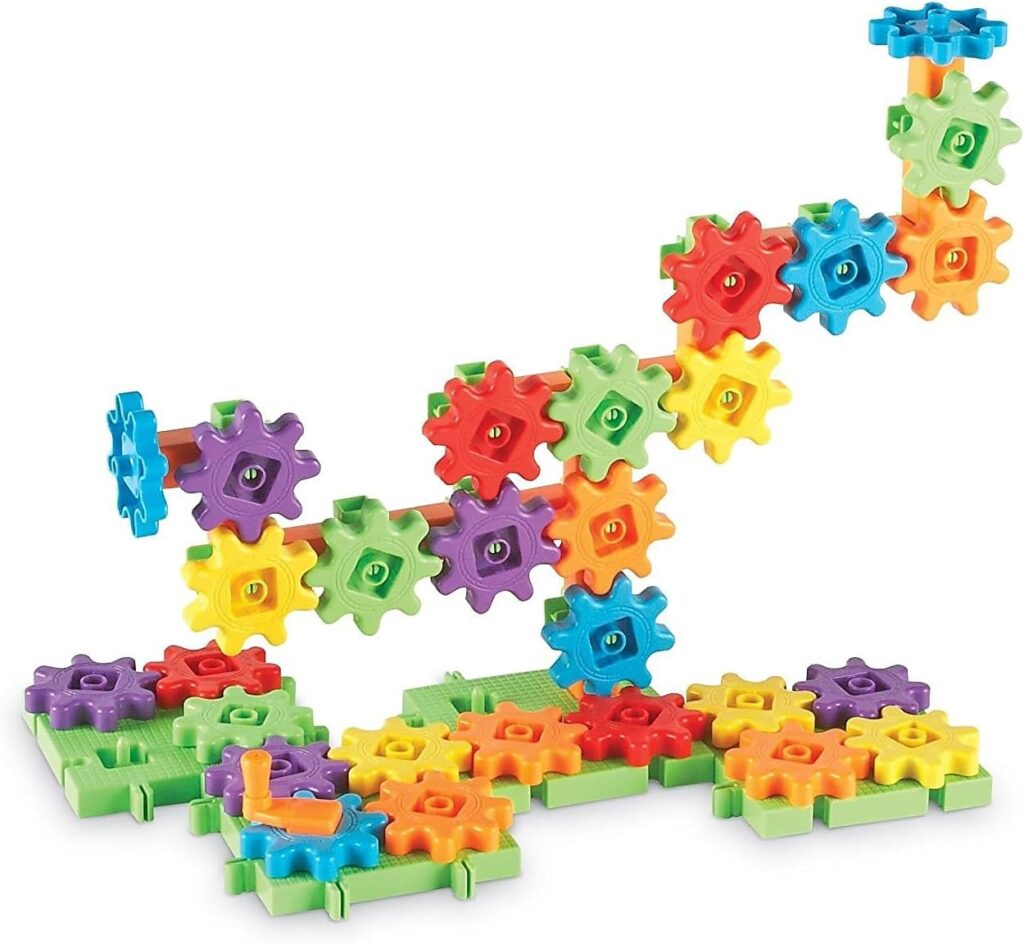
A pocket-sized set of colorful interlocking gears that build early engineering concepts. About 20-30 pieces fit in a stocking and can create multiple gear combinations.
What makes them educational: Cause and effect, basic engineering, problem-solving, fine motor skills, spatial reasoning.
Why they work: Kids are naturally fascinated by how gears work together. This hands-on exploration of mechanical systems plants seeds for STEM interest while being genuinely fun to play with.
10. Card Games: Uno, Skip-Bo, or Spot It!
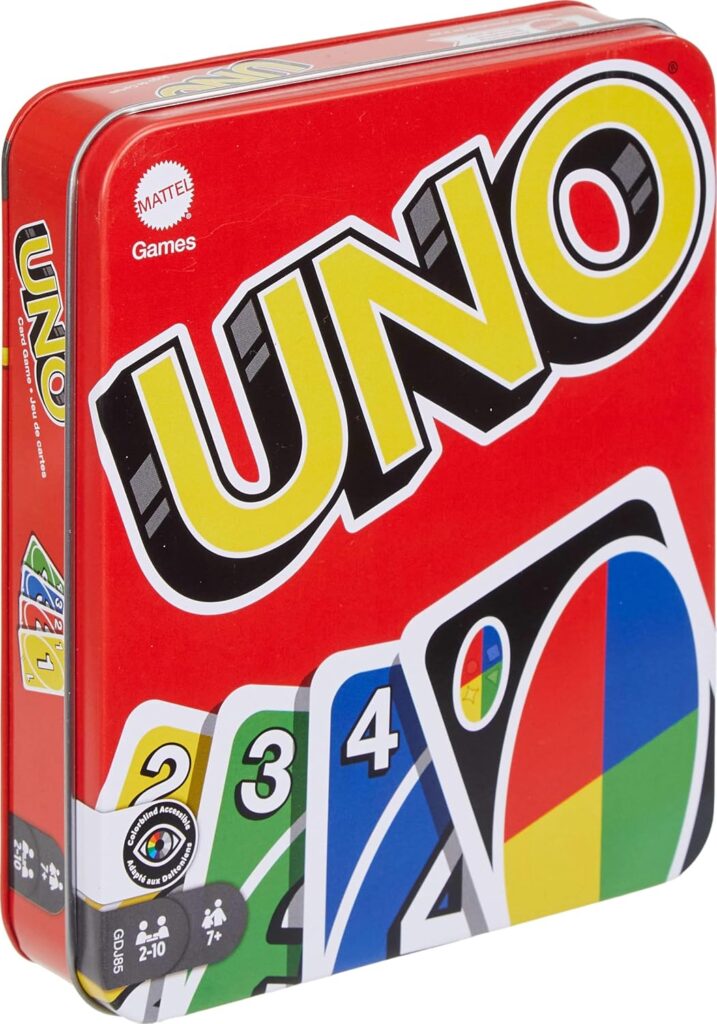
Classic card games that fit perfectly in stockings and provide portable entertainment with educational benefits. Uno teaches number recognition and colors, Skip-Bo builds sequencing skills, and Spot It! sharpens visual processing speed.
What makes them educational: Number recognition, strategic thinking, pattern matching, quick visual processing, sportsmanship.
Why they work: These travel everywhere and work for mixed-age groups. My kids request these during family game nights because they’re quick, engaging, and even adults enjoy playing.
- Uno: https://amzn.to/48Rf0IQ
- Skip-BO: https://amzn.to/3KTw8WE
- Spot It: https://amzn.to/4pHFlQT
Upper Elementary (Ages 8-11)
11. Rubik’s Cube
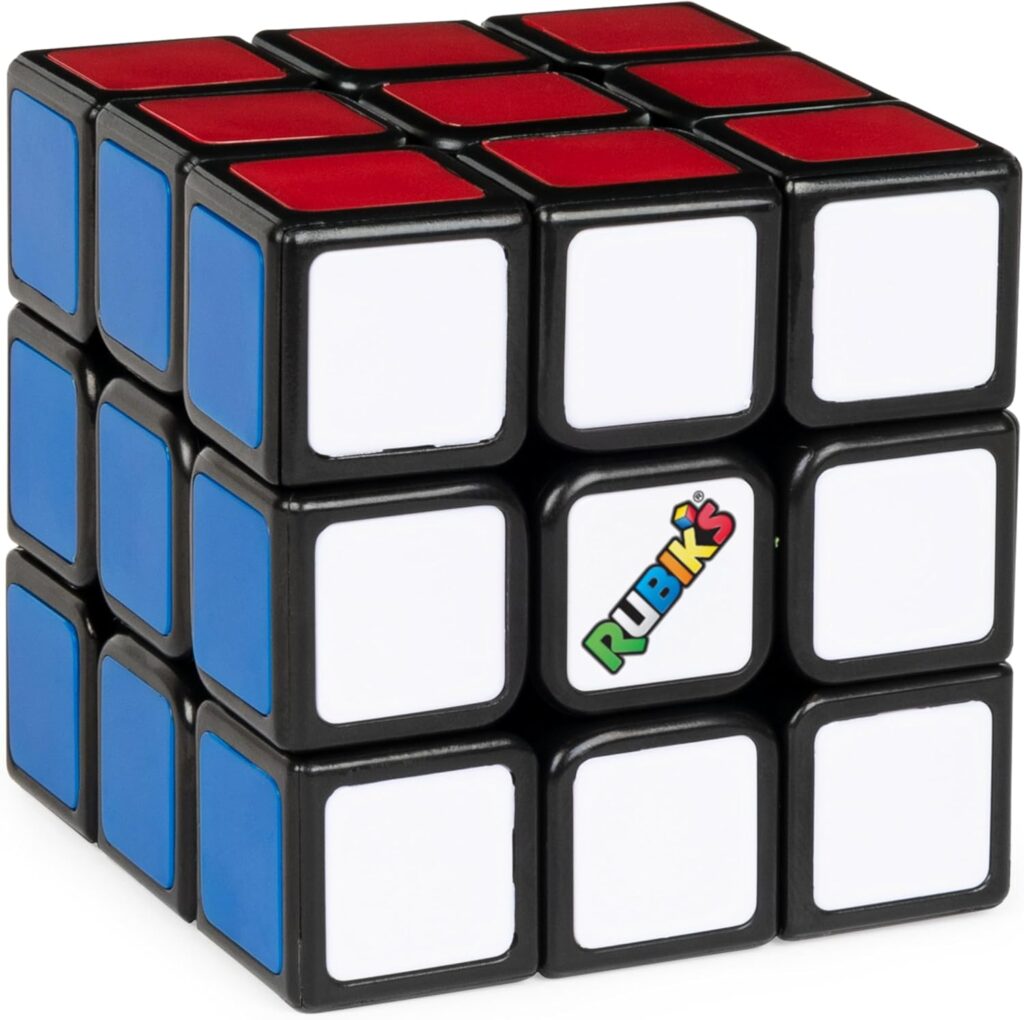
The classic 3×3 puzzle cube that challenges spatial reasoning and problem-solving. Modern versions turn more smoothly than the originals, making them less frustrating for beginners.
What makes them educational: Spatial reasoning, algorithms, pattern recognition, persistence, problem-solving strategies.
Why they work: My 11-year-old daughter became obsessed with solving this and taught herself using YouTube tutorials. The sense of accomplishment when they finally solve it is tremendous, and it’s a skill they’ll have forever.
12. Brain Teaser Puzzles (Metal or Wooden)
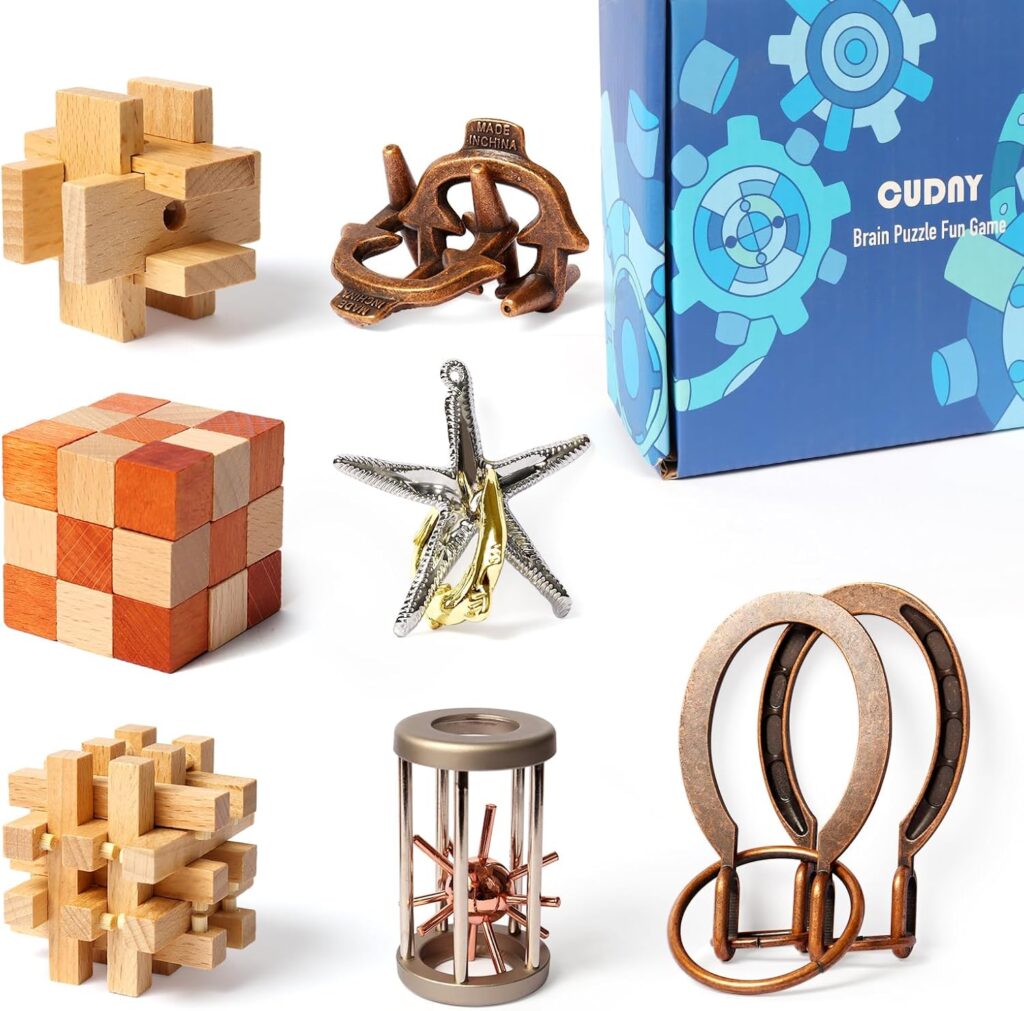
Compact mechanical puzzles that require taking apart and reassembling pieces in specific ways. Sets of 4-6 different puzzles fit in a stocking and provide hours of focused problem-solving.
What makes them educational: Spatial reasoning, persistence, logical thinking, fine motor skills, problem-solving strategies.
Why they work: These are perfect for long car rides or quiet time. Kids who love a challenge will work on these for extended periods, and the satisfaction of solving each puzzle builds confidence.
13. Scientific Explorer Mind Blowing Science Kit (Stocking Size)
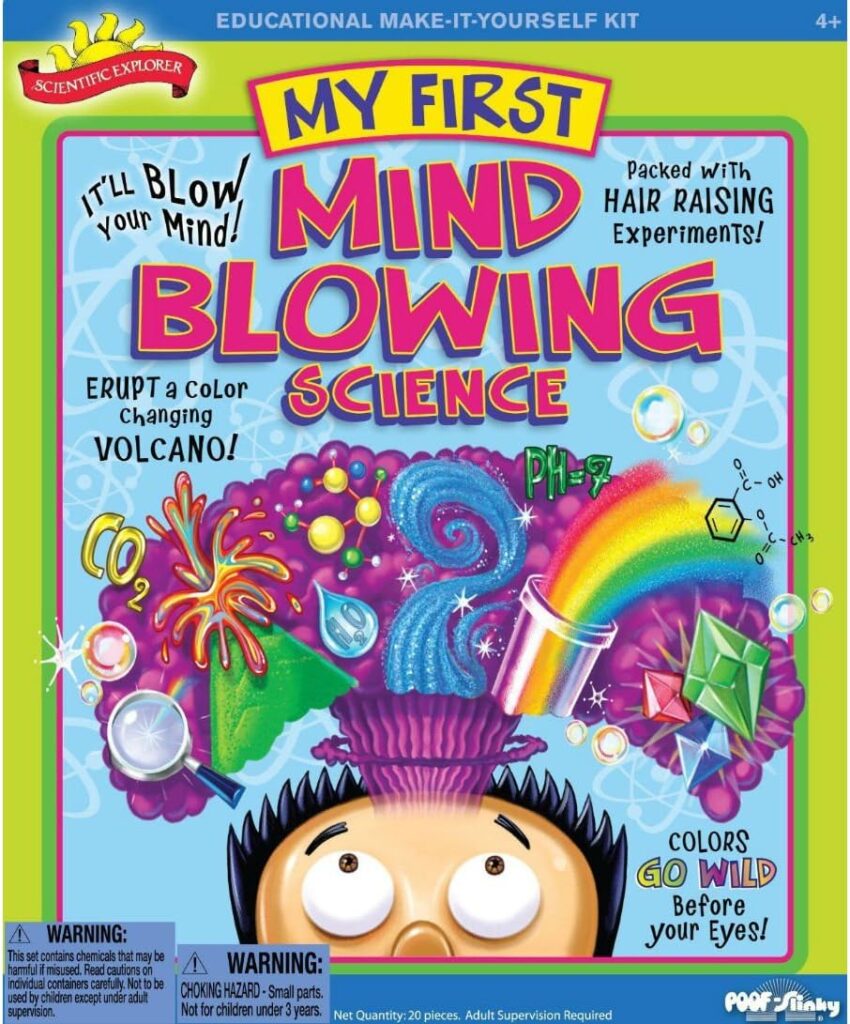
Miniature science experiment kits that create crystals, glow-in-the-dark experiments, or other hands-on science activities. Compact versions fit in stockings and include everything needed.
What makes them educational: Scientific method, chemistry basics, following instructions, observation skills, wonder about science.
Why they work: After the initial Christmas excitement settles, these provide a structured activity that keeps kids engaged. The wow-factor of watching crystals grow or seeing chemical reactions maintains interest over several days.
14. Maze Books or Logic Puzzle Books
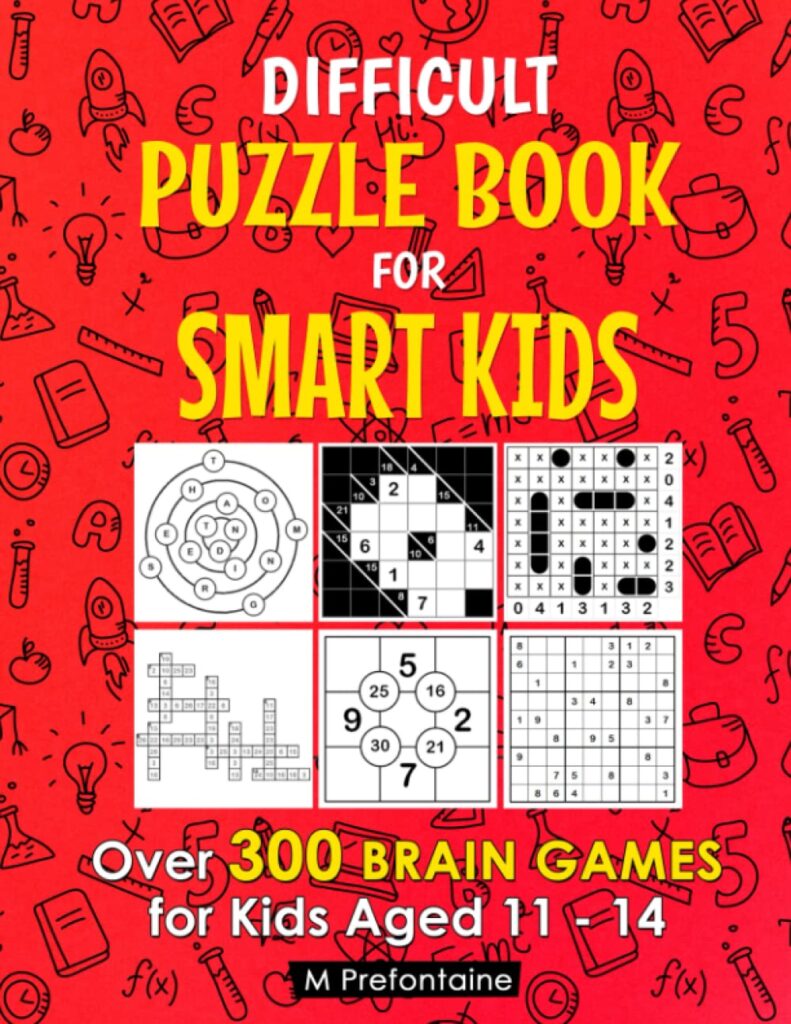
Pocket-sized books filled with mazes, Sudoku, logic grids, or other brain-teasing puzzles appropriate for different skill levels. Usually 100+ puzzles per book.
What makes them educational: Logical reasoning, problem-solving, spatial navigation, persistence, strategic thinking.
Why they work: Perfect for car trips, waiting rooms, or rainy day activities. My kids often work on these during downtime, and I’ve noticed real improvements in their problem-solving approach to other challenges.
15. Wikki Stix Molding & Sculpting Sticks
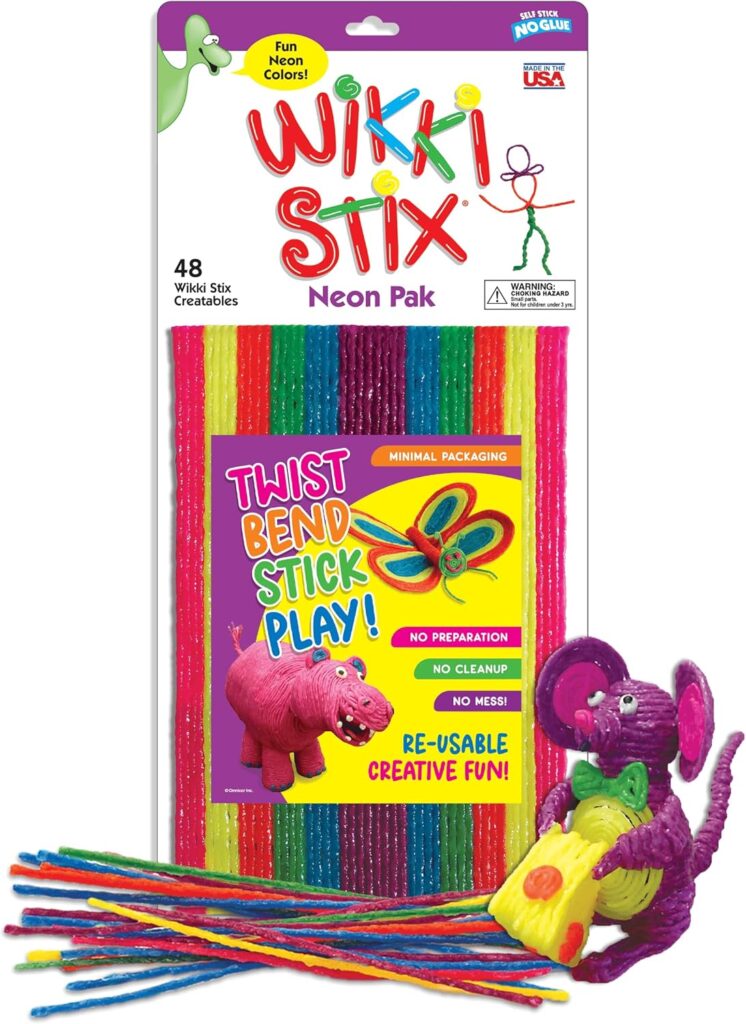
Wax-covered yarn sticks that stick to themselves and most surfaces without residue. A pack of 48 sticks in various colors rolls up small enough for a stocking and enables creative building.
What makes them educational: Fine motor skills, creativity, following instructions, spatial reasoning, artistic expression.
Why they work: These are quieter than building blocks, more portable than Play-Doh, and create surprisingly complex structures. Kids use them on airplane tray tables, in the car, or anywhere that needs a contained creative activity.
Tweens & Teens (Ages 11+)
16. Pocket-Sized Strategy Games: Love Letter, Sushi Go!, or Sleeping Queens
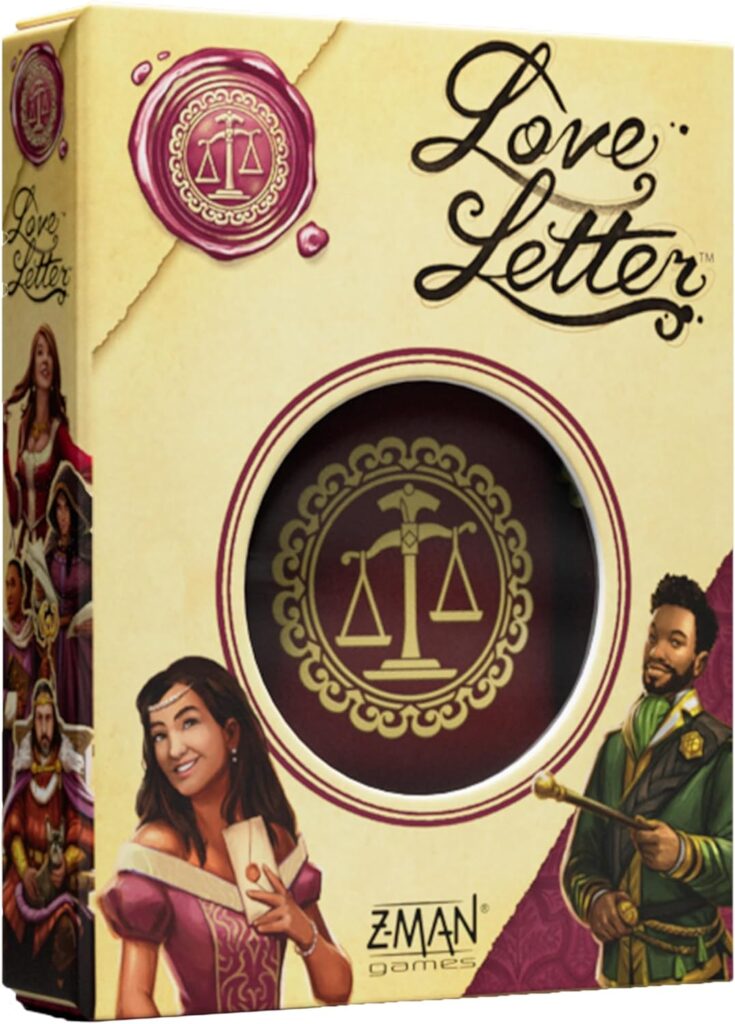
Compact card games with surprisingly deep strategy that fit in stockings and provide 15-30 minute gameplay. Perfect for family game nights or playing with friends.
What makes them educational: Strategic thinking, probability, pattern recognition, social interaction, sportsmanship.
Why they work: These aren’t “educational games” that feel like homework. They’re genuinely fun games that happen to build analytical thinking. My daughter requests these constantly for game nights with friends.
17. Mini Engineering Kits: Catapult or Trebuchet Kits

Small wooden or metal construction kits that build functioning mechanical devices. Compact packaging fits in stockings, and the build process teaches mechanical engineering principles.
What makes them educational: Mechanical engineering, following instructions, fine motor skills, physics concepts, problem-solving.
Why they work: The satisfaction of building something that actually works is huge for this age group. After construction, they become toys kids actually use—my sons’ mini catapults get regular use for launching small objects.
18. Magnetic Poetry Kits
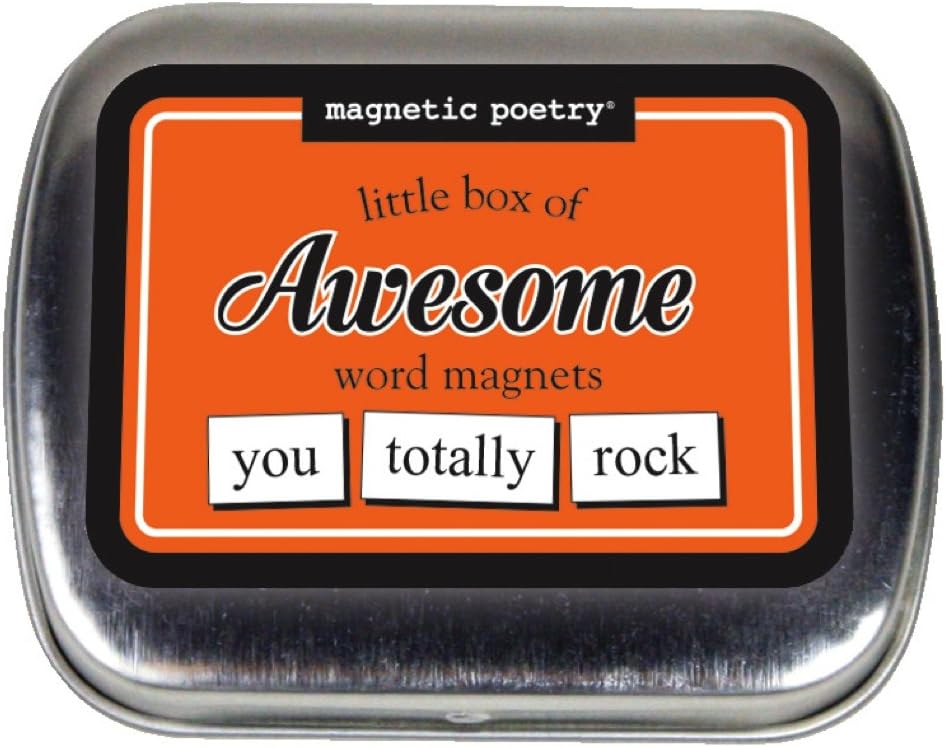
Small boxes of magnetic words (or themed word sets) that stick to refrigerators for creative writing exercises. Original, Shakespeare, or teen-focused versions available.
What makes them educational: Vocabulary building, creative writing, poetry composition, word play, literary expression.
Why they work: Seeing these on the fridge daily means kids interact with them regularly. The low-pressure, playful approach to writing encourages creative expression without the stress of a blank page.
19. Speed Cubes: 2×2, 4×4, or Pyramid Cubes
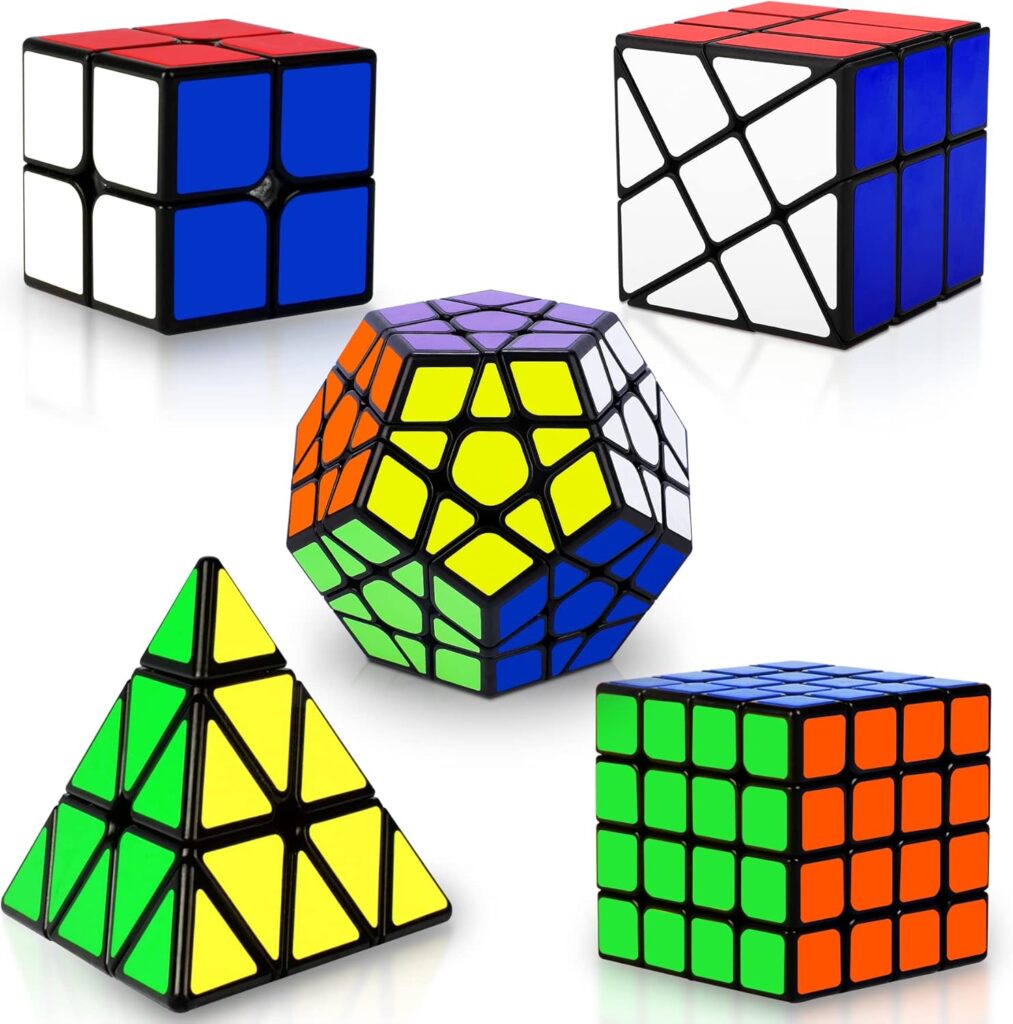
Variations on the classic Rubik’s Cube that offer different solving challenges. The 2×2 is easier to master than the standard 3×3, while the 4×4 and pyramid cubes add complexity for kids who’ve mastered the original.
What makes them educational: Spatial reasoning, algorithm memorization, pattern recognition, persistence, competitive timing skills.
Why they work: Once kids master one type of cube, they naturally want to try others. These provide an ongoing challenge that builds on previously learned skills while introducing new solving techniques.
Practical Stocking Stuffers That Support Learning
Beyond toys, some practical items deserve stocking space because they directly support educational activities:
Quality Pencils and Erasers
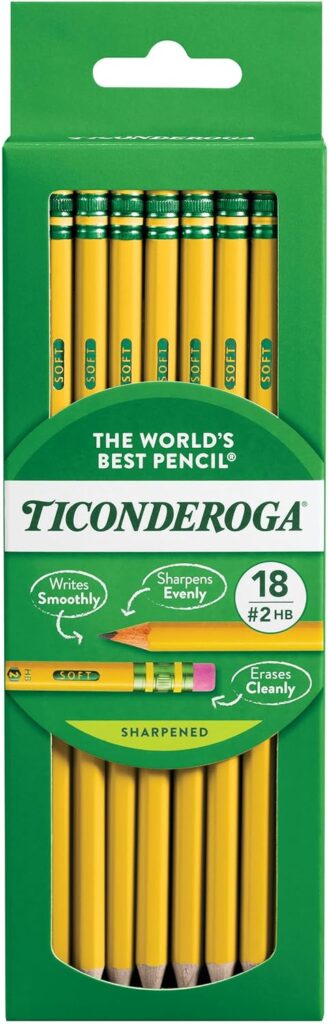
Ticonderoga pencils and good erasers might seem boring, but kids who enjoy drawing or writing appreciate quality supplies. A 18-pack of good pencils with a quality eraser fits perfectly in a stocking.
Small Notebooks or Sketch Pads
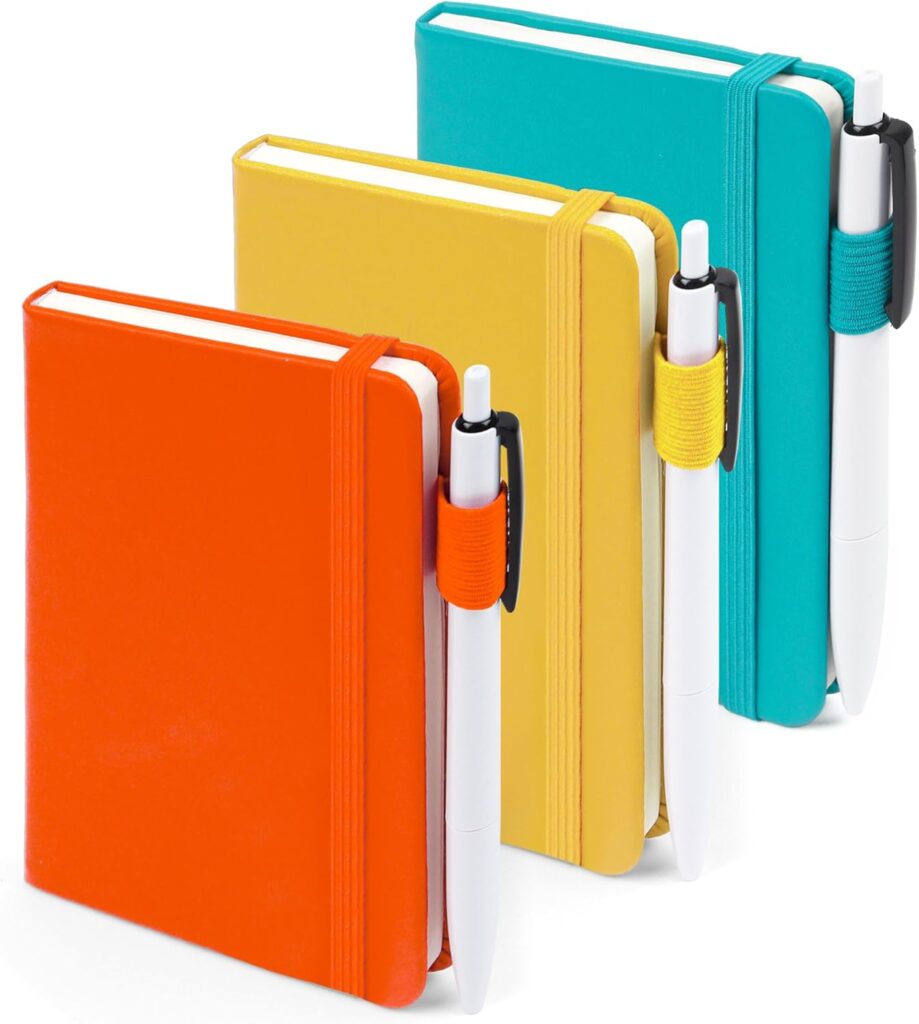
Pocket-sized notebooks for story ideas, doodles, or nature observations. My kids carry these everywhere and fill them with observations, sketches, and ideas.
Headlamp or Book Light
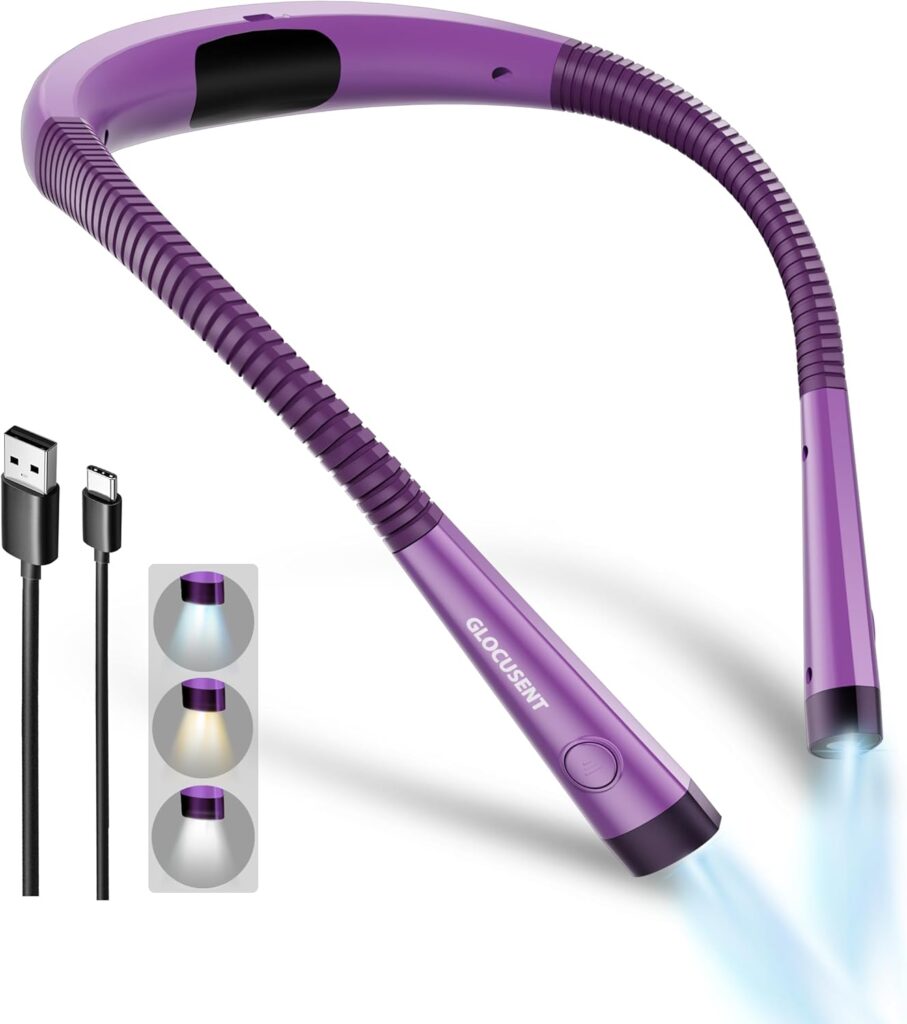
A small LED headlamp or clip-on book light enables reading in bed or during camping trips. Encouraging reading with the right tools makes a difference.
Silly Socks with Educational Themes
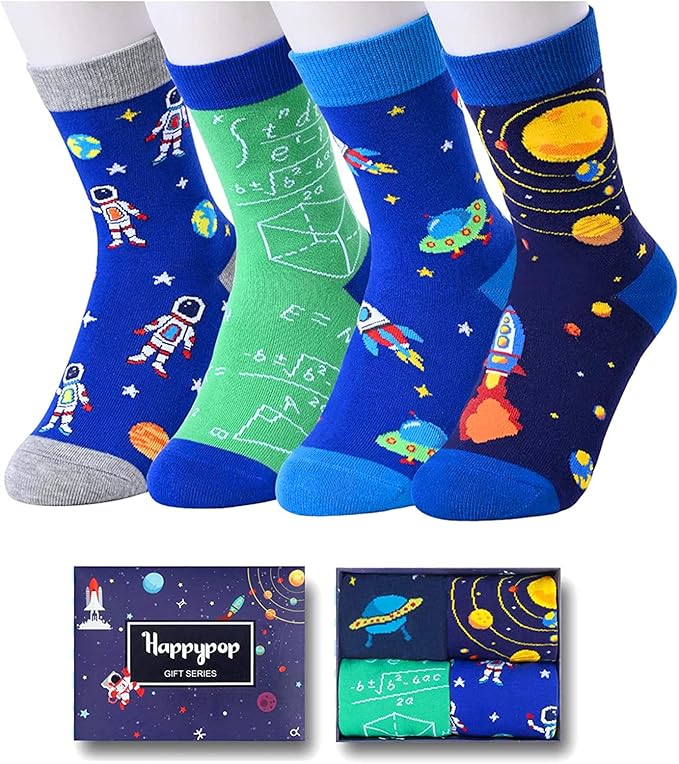
Socks with math equations, periodic table elements, or space themes combine the practical sock tradition with fun educational reinforcement. These work especially well for tweens and teens.
Creating Your Family Stocking Tradition
Like my family’s orange tradition that connects us to historical gift-giving customs, the best stocking stuffers often balance multiple elements:
Something practical (socks, supplies, useful items)
Something sweet (candy, treats)
Something meaningful (the orange, or your family’s chosen symbol)
Something fun (small toys, games, activities)
The educational toys in this guide fit naturally into the “something fun” category while providing lasting value beyond Christmas morning. Unlike cheap plastic toys that break within hours or electronic gadgets that lose their novelty quickly, these educational picks encourage the kinds of play that builds skills kids will use for years.
Stocking Stuffer Shopping Strategy
Budget-Friendly Approach
Most items in this guide cost between $5-15, making it possible to fill multiple stockings without overspending. Focus on 2-3 high-quality educational items per stocking rather than filling it completely with forgettable trinkets.
Age-Appropriate Selection
Choose items slightly above your child’s current skill level to provide challenge without frustration. A puzzle or game they can almost-but-not-quite solve immediately will hold their interest longer than something too easy.
Consider Interests
Match educational stocking stuffers to your kids’ existing interests. A child fascinated by building gets the gear set; a budding artist gets quality colored pencils; a puzzle-lover gets brain teasers.
Think Portability
The best small toys travel well for holiday trips to grandparents’ houses, restaurant waiting, or car rides. Consider how portable each item is when making selections.
What Makes a Great Educational Stocking Stuffer?
After years of filling stockings for four kids, I’ve learned that the best small educational toys share several characteristics:
Small enough to actually fit in a stocking (seems obvious, but some “stocking stuffers” are really too large)
Durable enough to survive being stuffed in a stocking (avoid anything with small parts that might fall off)
Engaging enough to compete with the big presents (kids should genuinely want to play with these)
Educational value that isn’t obvious (learning should feel like playing)
Price point under $15 (keeps total stocking costs reasonable)
Reusable or long-lasting (not something that breaks Christmas afternoon)
The toys and activities in this guide meet these criteria while supporting skill development in math, reading, problem-solving, creativity, and STEM concepts.
Final Thoughts on Educational Stocking Stuffers
Christmas morning in our house is controlled chaos—four kids opening stockings while trying to peek at what their siblings received, candy wrappers everywhere, and that one orange at the bottom of each stocking reminding us of the tradition that connects generations.
The small educational toys we include have become some of the most-used items from Christmas. While the big presents generate initial excitement, these stocking stuffers often have more staying power. My kids still play with brain teaser puzzles from two Christmases ago, and those Water WOW! pads have survived countless car trips and restaurant waits.
When you’re filling stockings this year, remember that the best small toys balance fun with learning, provide lasting value beyond the holiday season, and create opportunities for the kind of engaged play that actually builds skills. Whether you include an orange like my family or create your own meaningful tradition, these educational picks will make your stockings memorable while supporting your kids’ development.
Disclosure
This post contains affiliate links. As an Amazon Associate, I earn from qualifying purchases. When you purchase through these links, I earn a small commission at no additional cost to you. This helps support my ability to provide helpful content for parents. I only recommend books I believe in and would share with my own children.
About the Author
I’m a father of four (ages 5-11) with a background in technology. I test these toys with my own kids and share recommendations based on what actually works in real family life—not just marketing claims. When I’m not writing about educational toys, I’m usually building something with LEGO, helping with homework, or trying to convince my kids that yes, math can be fun.
Leave a Reply