This post contains affiliate links. As an Amazon Associate, I earn from qualifying purchases. When you purchase through these links, I earn a small commission at no additional cost to you. This helps support my ability to provide helpful content for parents. I only recommend products I believe in and would use with my own children.
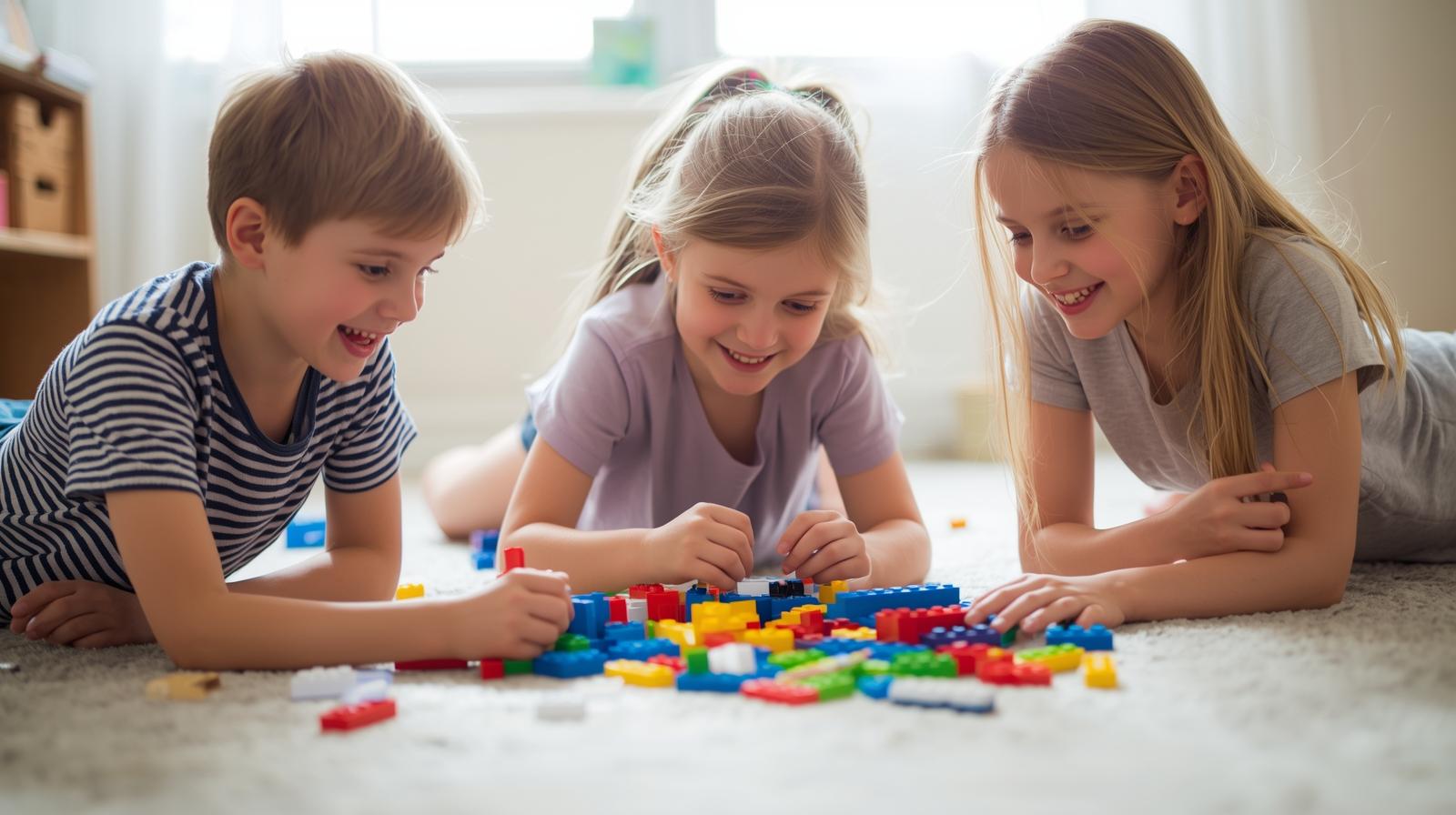
If you’re shopping for a family with multiple kids, you know the challenge. Buy one great toy, and you’ve just started World War III in the playroom. As a father of four (including 8-year-old twins), I’ve learned the hard way which educational toys create peace and which ones guarantee instant conflict.
The secret isn’t always buying multiple copies. Sometimes it’s finding toys that genuinely work better with siblings than alone. Over the years, I’ve discovered that the best sibling gifts fall into four categories: toys that inspire true collaboration, games with built-in age balancing, STEM kits with multiple roles, and supplies that multiple kids can use without competing.
Here’s what actually works when you need to shop for siblings.
Toys That Build Together, Not Compete
Some toys are designed for solo play but tolerate multiple users. Others genuinely shine when siblings collaborate. The difference matters.
MAGNA-TILES Clear Colors 100-Piece Set
Ages 3-10+ | Price: $120-140
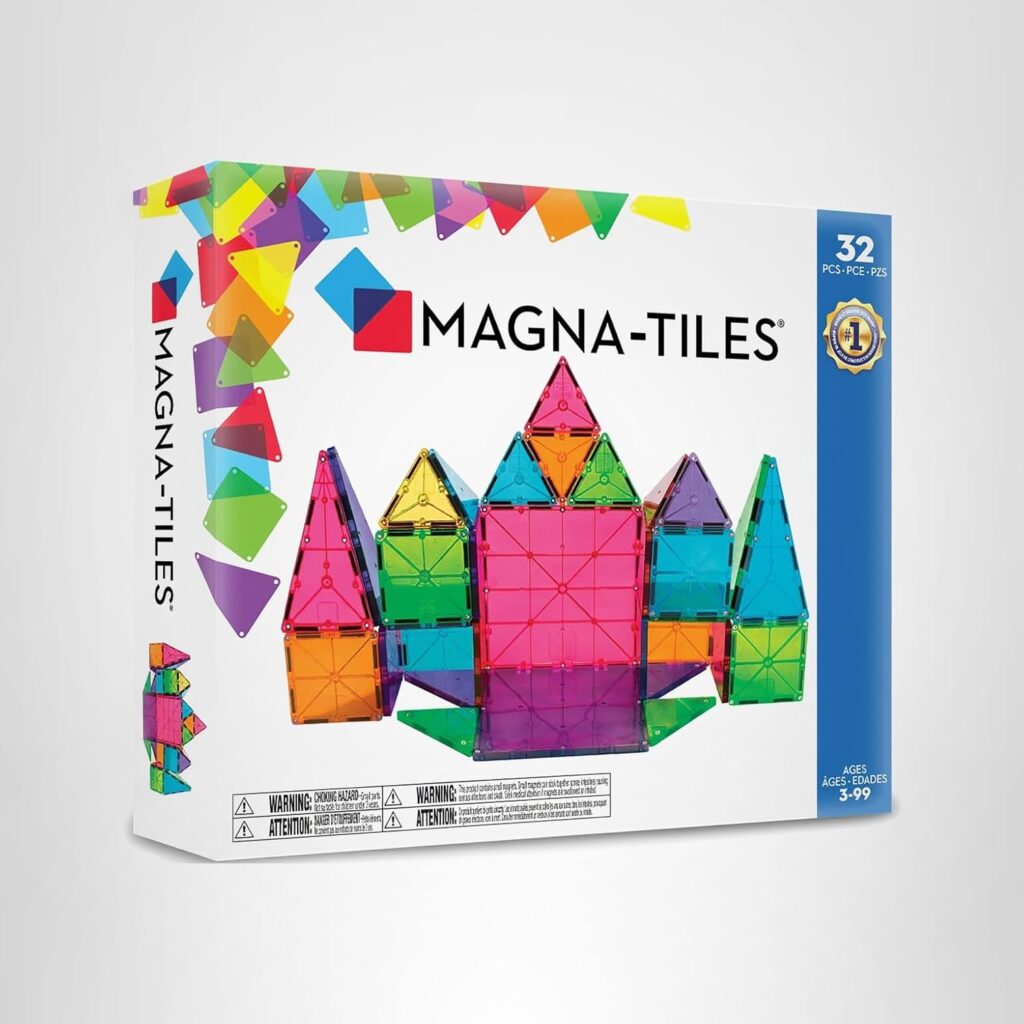
My kids have been building with MAGNA-TILES for six years, and they’re the only toy that consistently brings all four together without fights. The magnetic edges let even my 5-year-old contribute meaningfully to structures my 11-year-old designs.
What makes these perfect for siblings is the way skills layer. Younger kids can add simple squares to create walls. Older ones engineer complex 3D structures. Everyone contributes at their level, and the final creation belongs to all of them.
The 100-piece set provides enough tiles that multiple kids can build simultaneously. We learned the hard way that smaller sets just create tile hoarding and arguments about who gets the triangles.
Educational benefits: Geometry, spatial reasoning, engineering principles, collaborative problem-solving. My twins have spent hours debating whether to use triangles or squares for roof stability, which is basically applied physics.
LEGO Classic Large Creative Brick Box
Ages 4-99 | Price: $50-60
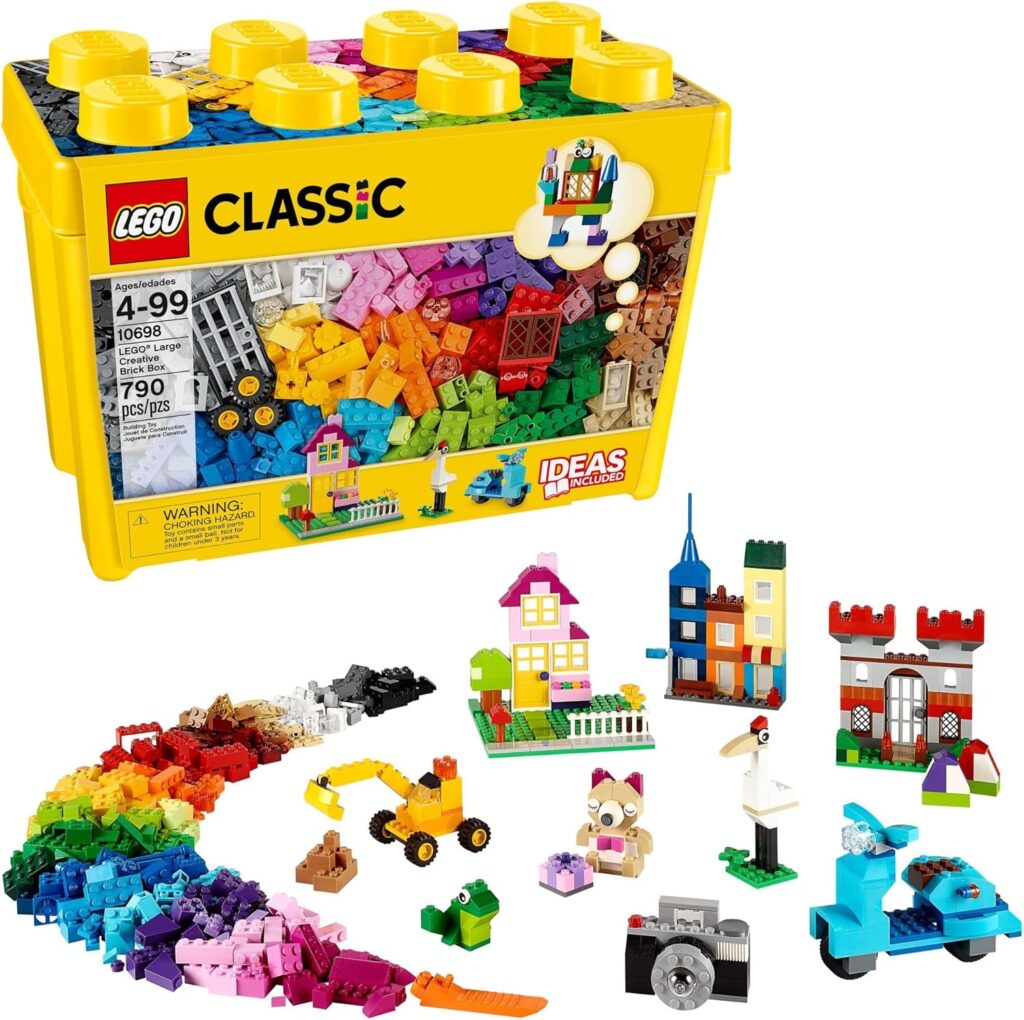
LEGO works for siblings in two distinct modes. Sometimes my kids build completely separate creations side by side, other times they collaborate on massive projects that span the entire playroom floor. Both approaches work because there are enough pieces.
The Classic Large Creative Brick Box gives you 790 pieces in multiple colors and sizes. That’s enough that my twins can each build a spaceship while my youngest builds a house, all using different bricks. Or they can pool resources for epic collaborative builds.
What I appreciate from an educational standpoint is how LEGO naturally teaches negotiation. My kids have learned to trade pieces, compromise on design decisions, and combine different visions into single projects. These are workplace skills disguised as play.
Why this beats smaller sets for siblings: Generic bricks mean no arguments over licensed pieces. Enough quantity that everyone can build simultaneously. No “right way” to build means all skill levels succeed.
Osmo Genius Starter Kit for iPad
Ages 6-10 | Price: $80-100
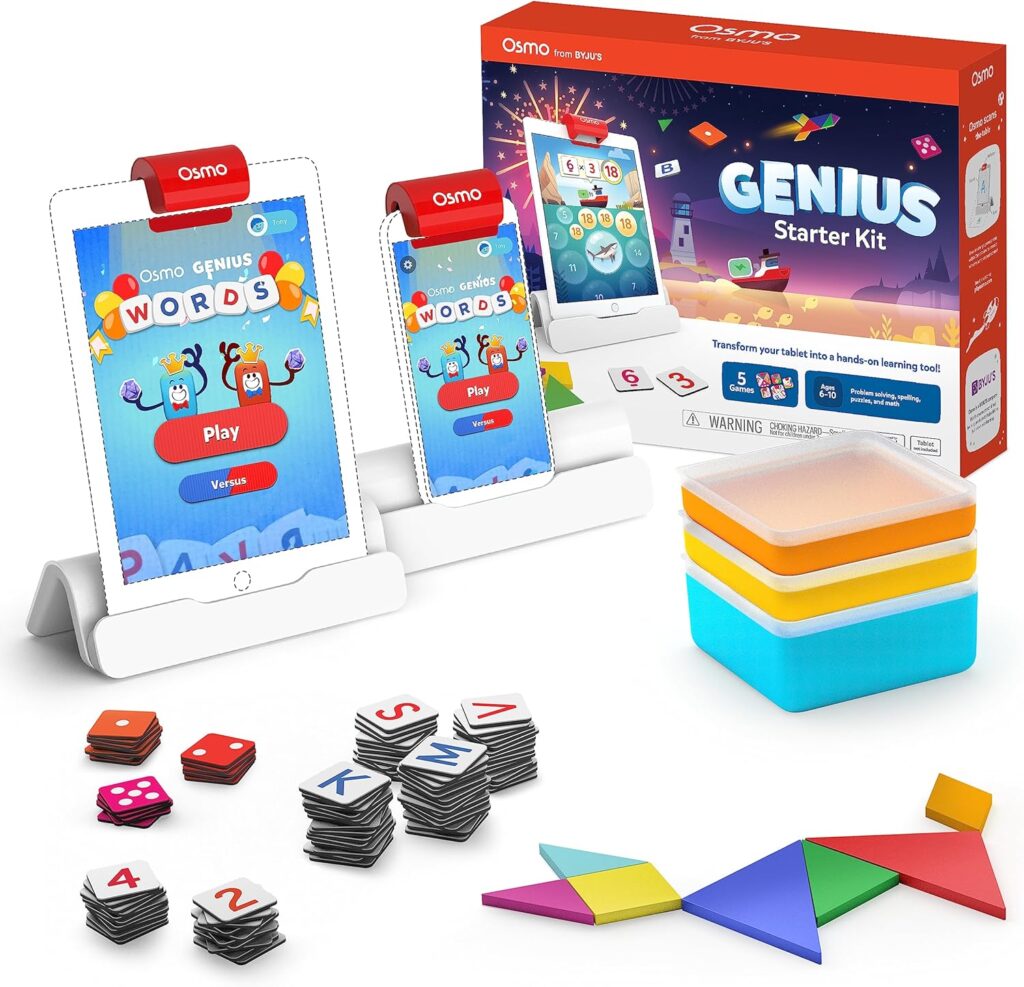
This one surprised me. I expected my kids to fight over iPad time with Osmo, but the games are designed so that two players often perform better than one. The tangram puzzles especially benefit from multiple perspectives, and the coding game lets siblings take turns as programmer and debugger.
The physical game pieces prevent the zoned-out screen staring you get with pure digital games. Kids are actively manipulating tiles, arranging pieces, and discussing strategy while the iPad provides feedback.
For families with an age gap, Osmo brilliantly accommodates different skill levels within the same game. My 5-year-old handles simpler tangram puzzles while my older kids tackle advanced challenges, but they’re all playing the same game system.
Educational value: Problem-solving, pattern recognition, early coding concepts, spatial reasoning. The Words game has dramatically improved my youngest daughter’s spelling through collaborative play with her siblings.
Games With Built-In Age Balancing
These games understand that siblings aren’t the same age and skill level. They build in mechanisms that level the playing field.
ThinkFun Gravity Maze Marble Run
Ages 8+ (with younger sibling assistance) | Price: $25-35
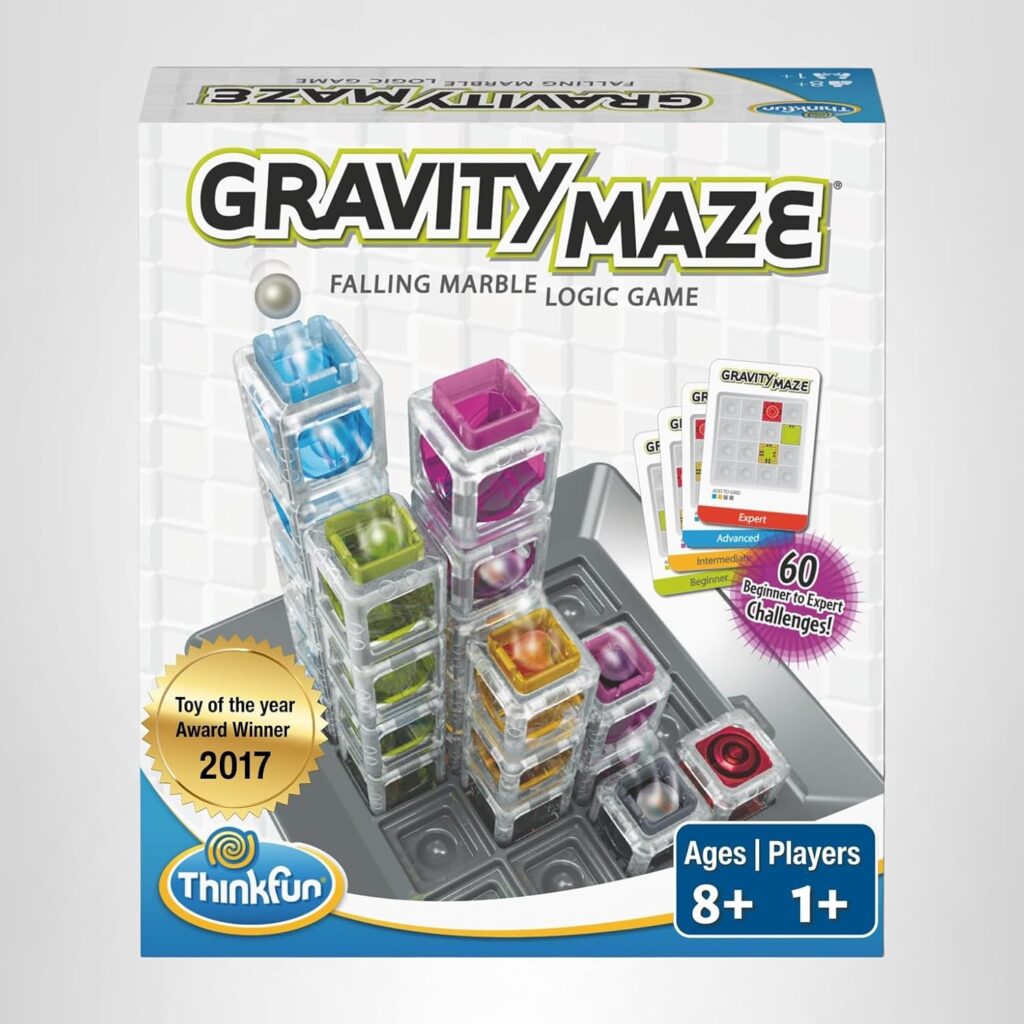
Technically this is rated for ages 8+, but it works brilliantly for mixed ages because the challenge cards range from beginner to expert. My 8-year-old twins work independently on medium challenges, while my 11-year-old helps my 5-year-old with starter levels.
The genius is that even simple challenges teach logic and spatial planning. My youngest isn’t just watching her siblings play, she’s actively problem-solving at her developmental level using the same game system.
For siblings with competitive streaks, this works because they can compete against the puzzle rather than each other. Who can solve their level fastest? Who needs fewer hints? The competition stays friendly because everyone’s working appropriate challenges.
STEM benefits: Physics (gravity and momentum), spatial reasoning, sequential logic, problem decomposition. These are programming concepts disguised as a marble run.
CoderBunnyz Board Game
Ages 4+ (with multiple difficulty levels) | Price: $50-60
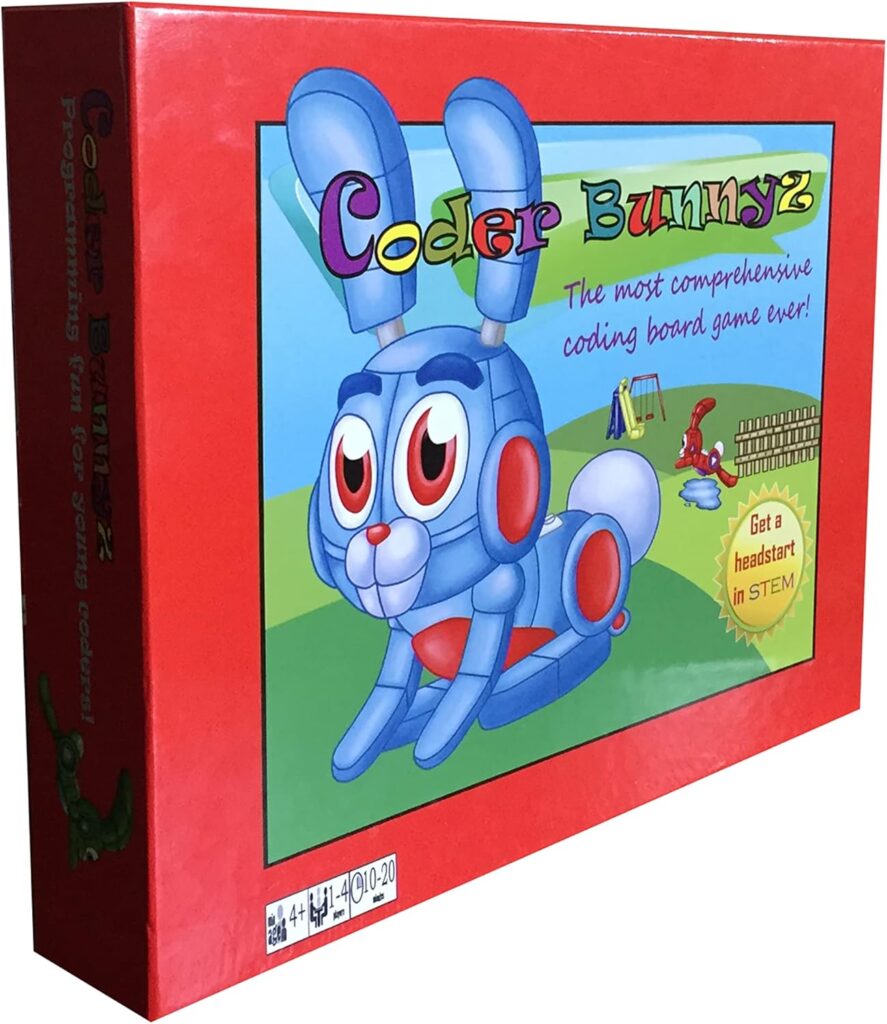
This game was invented by a 9-year-old girl specifically to teach coding to kids from age 4 all the way up to adults. That origin story matters because it means the game actually understands how kids think and learn at different ages.
CoderBunnyz has 13 different difficulty levels built in, which is perfect for siblings with age gaps. My 5-year-old can work on basic sequencing (move forward, turn left) while my twins tackle intermediate concepts like loops and functions. They’re playing the same game system, just at different complexity levels.
What makes this brilliant for mixed-age families is how older kids can become the “teachers” as they advance to higher levels. My 11-year-old has learned more about coding by explaining conditional statements to her younger siblings than she would have just solving puzzles alone.
The game uses cards to program robot bunnies to navigate through mazes, eat carrots, and reach destinations. It teaches genuine programming concepts used in Python, Java, and other languages, but without needing a computer.
Coding concepts covered: Sequencing, loops, conditionals, functions, debugging, and even advanced concepts like inheritance and parallel processing for older kids. These aren’t simplified versions, these are the actual logical structures used in real programming.
Why this beats digital coding games for siblings: Everyone plays at their skill level simultaneously. Younger kids aren’t waiting for older ones to finish complex levels. The physical cards and board keep kids engaged together instead of zoned out on individual screens.
Blokus Classic Board Game
Ages 7+ (or 5+ with patient siblings) | Price: $20-25
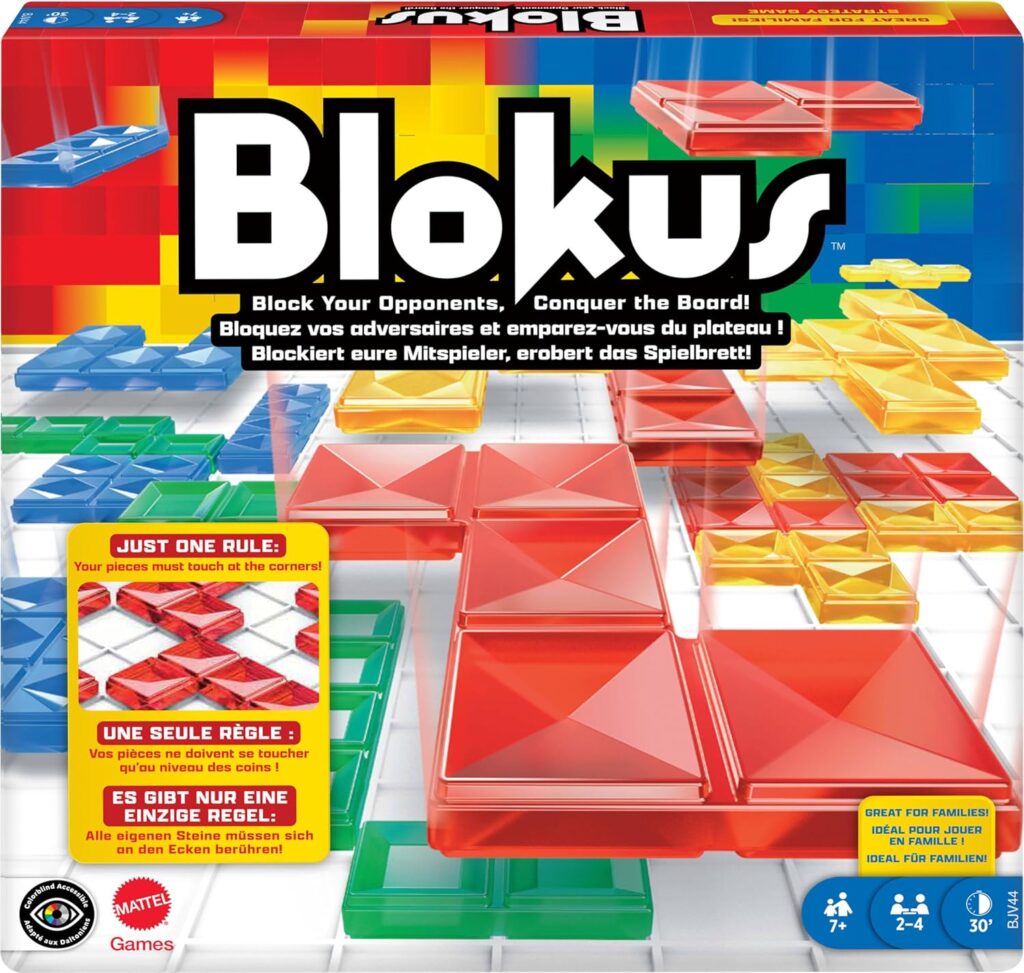
Blokus handles 2-4 players with surprising balance. Younger kids often beat older ones because the spatial challenge doesn’t heavily favor experience. My 5-year-old has won legitimate games against my 11-year-old, which does wonders for sibling dynamics.
The rules are simple enough that after one game, even kindergarteners understand corner connections and blocking strategies. But the gameplay stays interesting for years because every game board develops differently.
For large families, this is one of the few quality games that truly works with four players. No one is waiting endlessly for their turn, and the strategy stays engaging throughout.
Educational depth: Spatial reasoning, strategic planning, geometry concepts. Also teaches gracious winning and losing, which might be the most valuable skill for sibling relationships.
STEM Kits With Multiple Roles
Some science kits work better with partners who can split responsibilities. These are the ones my kids voluntarily choose to do together.
Dancing Bear Fossil Dig Kit
Ages 6-12 | Price: $25-35
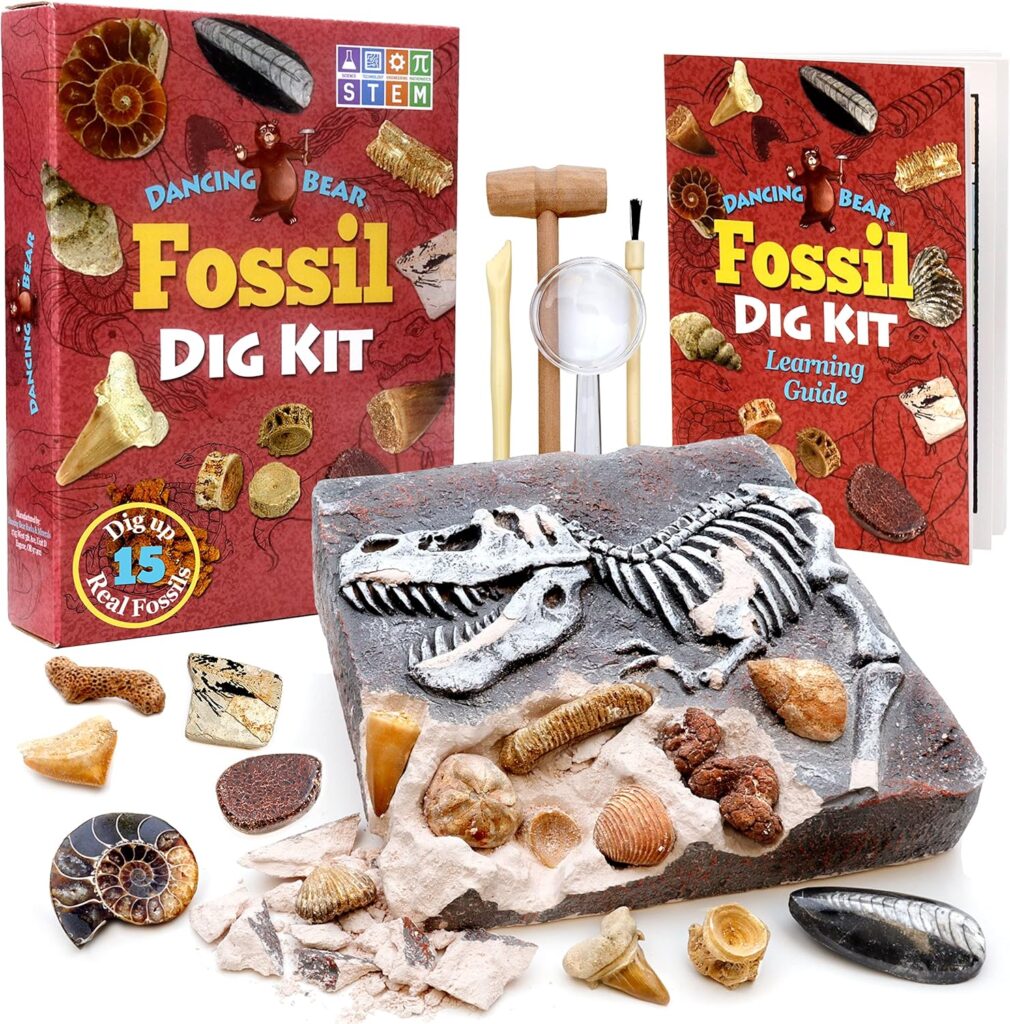
This becomes a natural assembly line. One kid excavates while another brushes away dust and catalogs finds. Or they trade roles every few fossils. Either way, they’re more efficient together than alone.
The kit includes 15 genuine fossils, which sounds like it should cause 15 arguments. Instead, my kids developed a system where each person “specializes” in finding different types. One kid became the expert on shark teeth, another on shells. They’d excitedly call each other over for new discoveries.
What I appreciate as a parent is how this teaches collaboration under time pressure. With only one digging tool, they had to figure out work schedules. Those negotiation skills transfer directly to school group projects.
Scientific learning: Paleontology, scientific method, identification skills, patience. The included learning guide has prompted more organic science conversations than months of formal lessons.
Snap Circuits Jr. SC-100 Electronics Kit
Ages 8+ (with younger assistants) | Price: $40-50
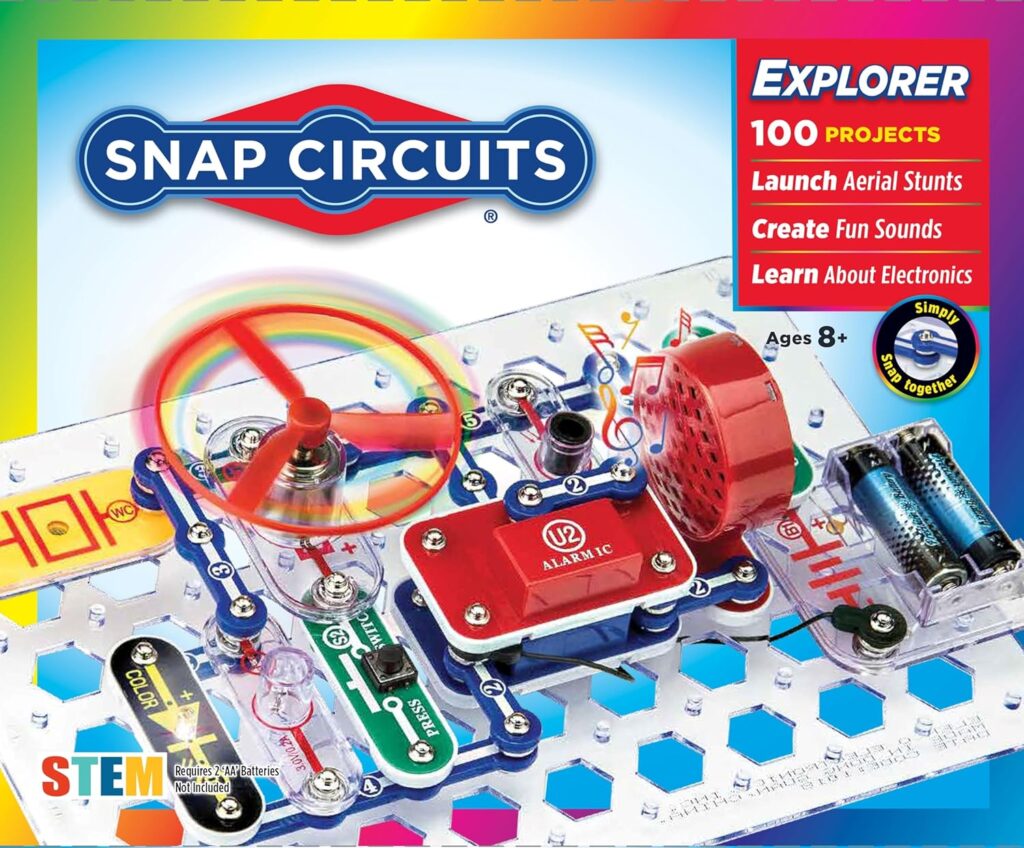
Electronics kits often frustrate young kids because precision matters. Snap Circuits solves this by making connections foolproof. My 8-year-olds can follow the schematic while my 5-year-old snaps pieces into place and operates completed circuits.
This division of labor actually teaches both kids valuable skills. The older ones learn to read technical diagrams and troubleshoot when circuits don’t work. The younger one develops fine motor skills and cause-and-effect understanding.
The 100 projects range from simple (light and switch) to complex (adjustable-volume sirens). Siblings can work through easier projects together, then older kids can tackle advanced ones while younger ones play with completed circuits.
Technical knowledge: Basic electronics, circuit design, troubleshooting, reading schematics. My twins now understand why their game controllers need batteries and how switches actually work.
Thames & Kosmos Chemistry C500 Set
Ages 10+ (with younger observers) | Price: $45-55
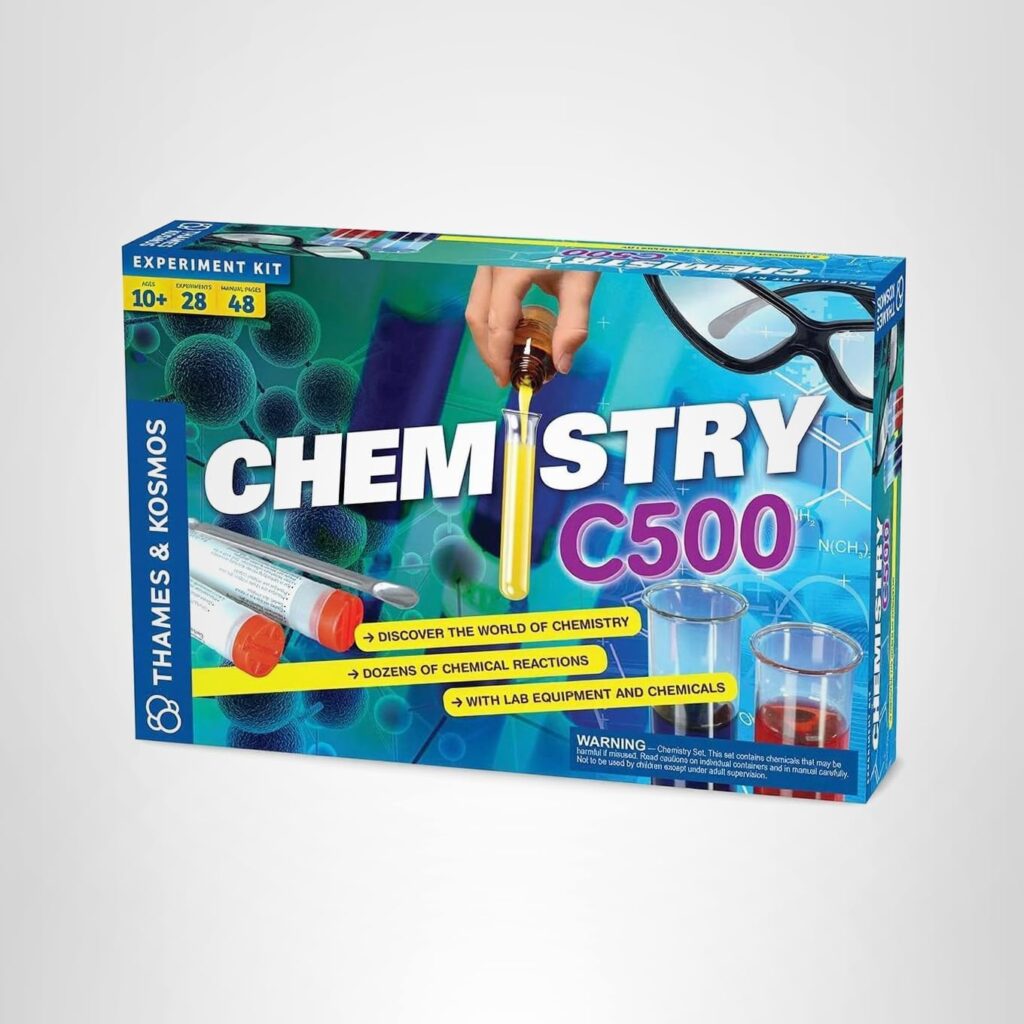
Real chemistry experiments work best with lab partners. One person can measure while another mixes. One reads instructions while another times reactions. These are authentic laboratory skills.
My older daughter leads experiments while her younger siblings observe safely. They take turns being the “lab assistant” who records results or holds equipment. Everyone feels involved even though only the oldest handles chemicals.
The 28 experiments range from color changes to crystal growing. Some are flashy enough that even my 5-year-old stays engaged, while others teach concepts my 11-year-old studies in school.
Safety note: Adult supervision is non-negotiable, and younger siblings should observe rather than handle chemicals. But watching experiments together teaches scientific method better than textbooks.
Scientific foundation: Chemical reactions, scientific method, measurement precision, laboratory safety. The included guide explains the chemistry at an age-appropriate level.
Art Supplies That Expand Rather Than Divide
Unlike toys with limited pieces, art supplies work better when shared. More colors mean more creative options for everyone.
Crayola Inspiration Art Case
Ages 4+ | Price: $25-30
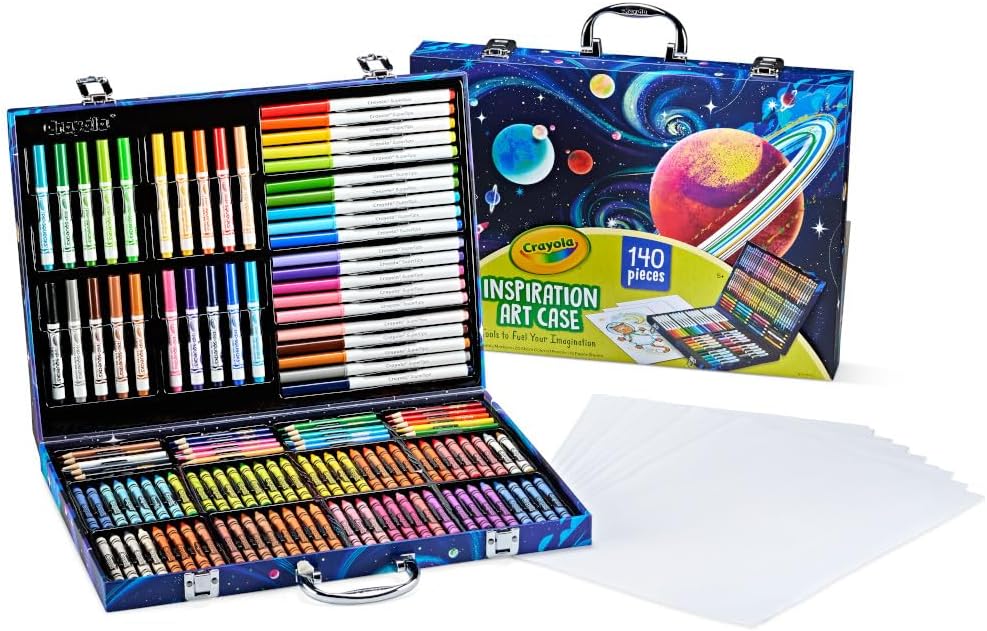
This 140-piece set has ended more arguments than any toy we own. When everyone can access the gold metallic marker and the perfect purple crayon simultaneously, there’s nothing to fight about.
My kids naturally developed a system where they sit around the shared case and just reach for what they need. Sometimes they’re working on completely different projects. Other times they collaborate on massive poster-sized artwork. The supplies support both modes.
What surprised me is how having abundant supplies actually reduces waste. When kids don’t worry about running out of their favorite colors, they use materials more thoughtfully instead of hoarding them.
Creative development: Color theory, artistic expression, fine motor skills. Having diverse materials available encourages experimentation instead of defaulting to the same three crayons.
Play-Doh Modeling Compound 36-Pack Case of Colors
Ages 3+ | Price: $20-25
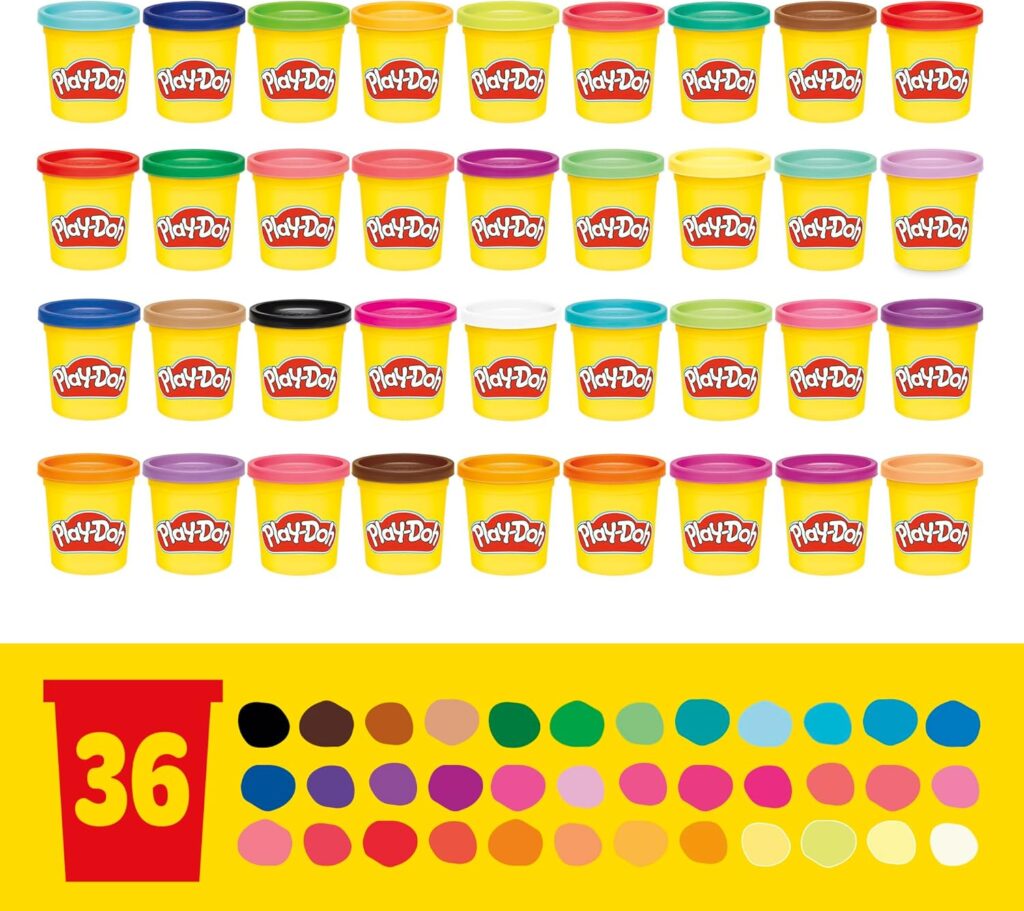
Play-Doh is the peace treaty of toddler and preschool years. With 36 colors, there are enough cans that my youngest can have her favorite purple, my twins can both access blue, and everyone’s happy.
Unlike LEGO or building sets where kids might build competing creations, Play-Doh projects naturally complement each other. One kid makes food, another makes animals, a third creates a zoo. Their separate projects become connected stories.
We’ve replaced this set twice now because even 36 cans eventually dry out with heavy use by four kids. But the per-hour cost is incredibly low considering how many sibling play sessions it enables.
Developmental benefits: Fine motor development, sensory exploration, creative storytelling, color mixing experiments. My kids have learned basic color theory by smooshing different Play-Doh colors together.
Perler Beads 22,000 Piece Jar
Ages 6+ (younger with close supervision due to small pieces) | Price: $20-30
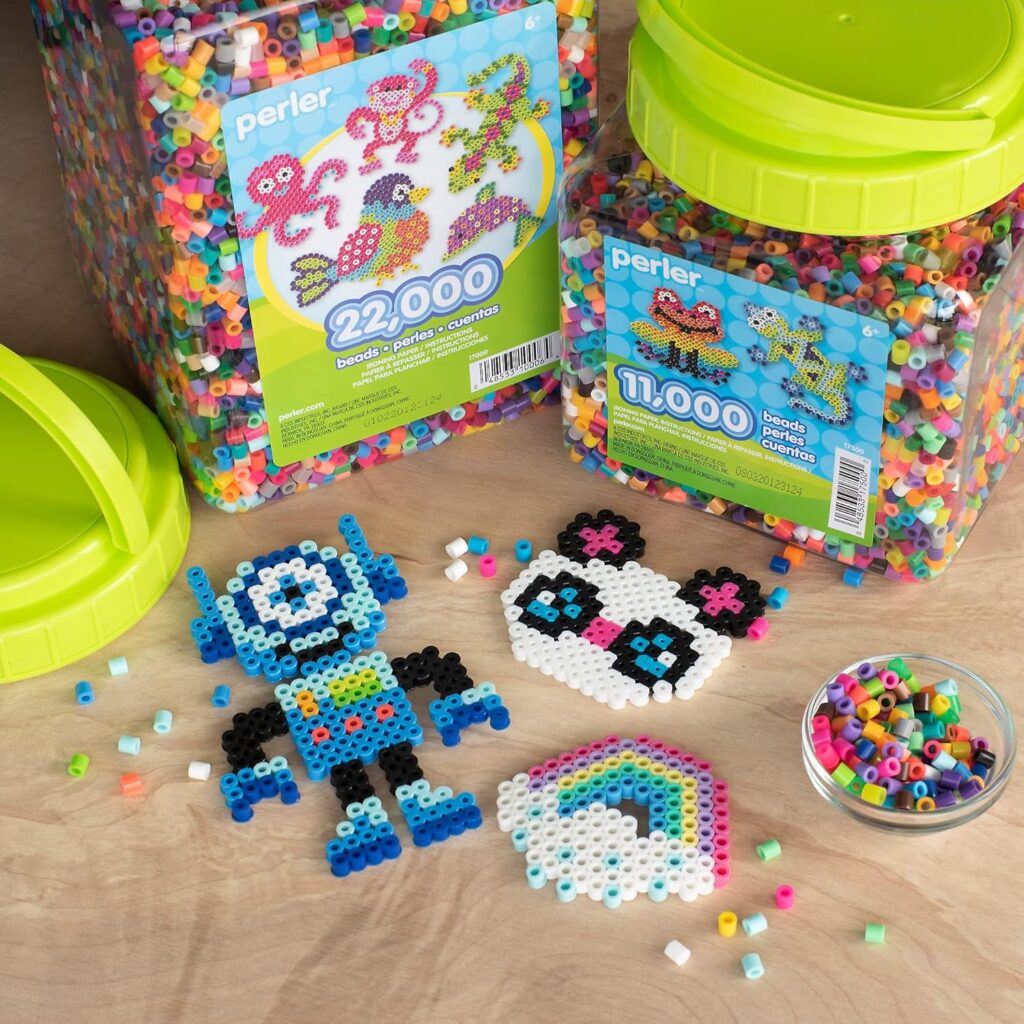
The massive quantity is the key here. With 22,000 beads, multiple kids can work on elaborate designs without anyone hoarding colors. Each child can create several projects before anyone needs to worry about running low.
My twins often work side by side on related designs – one makes a spaceship while the other makes planets, creating a connected scene. The parallel play turns into collaborative storytelling.
For families with age gaps, older kids can design while younger ones help sort colors or fill in solid-color sections. Everyone contributes meaningfully to the final ironed project.
Learning elements: Pattern recognition, fine motor precision, planning and design, patience (threading tiny beads teaches this naturally). Also teaches the value of having backups when someone accidentally knocks over a partial design.
Making It Work: Practical Tips From a Four-Kid Household
After years of trial and error (and plenty of toy-induced arguments), here’s what I’ve learned:
For building toys, quantity matters more than you think. The difference between 50 MAGNA-TILES and 100 is the difference between rationing and abundance. Buy bigger sets than you think necessary.
Look for toys where different skill levels add value rather than causing frustration. The best sibling toys let each kid contribute at their developmental level, like older kids teaching younger ones Robot Turtles while still being challenged themselves.
Art supplies are the best peace treaty. When in doubt, buy things that can be used simultaneously without competition. A 36-pack of Play-Doh prevents more fights than any sharing lecture.
Collaboration works better than turn-taking for some activities. Fossil digging, circuit building, and MAGNA-TILES benefit from multiple minds working simultaneously. Save turn-taking for board games where it’s part of the structure.
Storage solutions prevent supply hoarding. When art supplies live in a communal case rather than individual rooms, kids learn to share access rather than hoard materials. This applies to LEGO, craft supplies, and even game pieces.
The Real Gift: Teaching Collaboration
The best thing about toys that work well for siblings isn’t just the peace and quiet (though I won’t lie, that’s valuable). It’s watching kids learn to negotiate, compromise, and build together.
My twins have learned to combine their different strengths on MAGNA-TILES projects. One has better spatial reasoning, the other has more patience for complex connections. Together they build things neither could alone.
My older daughter has discovered she’s an excellent teacher through Osmo games and Robot Turtles with her younger siblings. That’s a skill that will serve her well beyond childhood.
And all four have learned that some activities genuinely benefit from collaboration. They’re developing workplace skills through play.
When you’re shopping for siblings this holiday season, think beyond preventing fights. Look for toys that actively benefit from multiple minds, different skill levels, and collaborative problem-solving. Those are the gifts that keep teaching long after the wrapping paper is recycled.
Leave a Reply